Choosing the right bedding substrate is crucial for tarantulas, helping maintain humidity, promote natural burrowing behavior, and support overall health. This guide reviews five reliable reptile bedding options that are well-suited for tarantulas, including coconut fiber substrates and bioactive blends. Each product below highlights how it supports digging, moisture retention, odor control, and ease of use, helping you compare options quickly.
| Product | Brand | Key Benefit |
|---|---|---|
| ZeeDix 4 Pack Coconut Fiber Substrate | ZeeDix | Excellent moisture management; multiple bricks for easy setup |
| ZeeDix 2 Pack Coconut Fiber Substrate | ZeeDix | Ready-to-use packs; good for quick replenishment |
| Halatool 2 Pack Organic Coconut Fiber Substrate | Halatool | Two bricks; strong humidity and aeration for burrowing |
| Halatool 1.4LB Coconut Fiber Substrate | Halatool | Compact bricks; supports shedding and odor control |
| ReptiEarth Reptile Bedding | Reptichip Premium Coconut Substrate | Fluffy coconut blend; promotes digging and burrowing |
Note: This article compares substrates commonly used for tarantulas. Always ensure the substrate is clean, free of additives, and suitable for invertebrate terrariums before introducing a tarantula.
ZeeDix 4 Pack Coconut Fiber Substrate

ZeeDix’s four-pack coconut fiber substrate provides a 100% organic, breathable bedding option ideal for tarantulas. The coco coir bricks are designed to be low in EC and balanced in pH, supporting a healthy microhabitat. Its odor and waste absorption helps maintain a cleaner terrarium, reducing maintenance frequency. Each brick measures around 7.8 x 3.9 x 1.97 inches and contributes to long-term humidity control, which supports natural burrowing and molting cycles.
ZeeDix 2 Pack Coconut Fiber Substrate
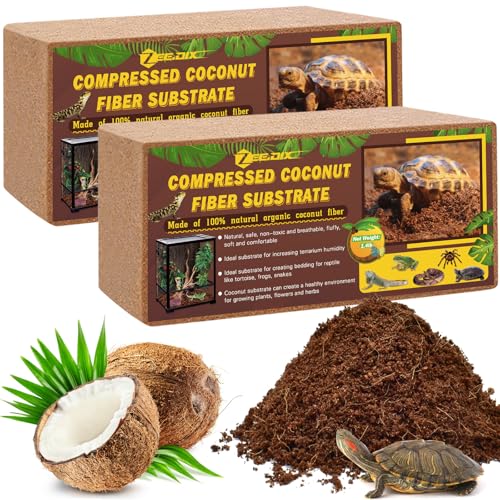
This two-pack option delivers ready-to-use coconut coir substrate with natural moisture retention. The product emphasizes safe disposal and natural breakdown after use, making it a convenient, eco-friendly choice for tarantula enclosures. Its low-salt composition and favorable aeration support burrowing and shedding while helping to control odors within the terrarium. A good option for collectors who want consistent substrate depth with minimal prep.
Halatool 1.4LB Coconut Fiber Substrate

Halatool’s 1.4-pound coconut fiber substrate comes in a compact brick suitable for smaller enclosures or for topping up burrow areas. The substrate is designed to retain humidity and promote natural burrowing while supporting shedding for tarantulas. It emphasizes odor reduction and waste breakdown to keep enclosures cleaner between cleanings. This option suits keepers who prefer a squeezable, predictable moisture level in dense habitats.
ReptiEarth Reptile Bedding

ReptiEarth Reptile Bedding blends fluffy coconut fiber with a micro- and small-strand formula to minimize dust and compaction, creating a dig-friendly surface for tarantulas. Its 70-30 blend supports burrowing and respiration while helping manage humidity. Made from organic coconut husk, it’s designed to be sustainable and easy to maintain, potentially reducing enclosure maintenance and odor buildup over time.
Halatool 2 Pack Organic Coconut Fiber Substrate

This Halatool two-pack option emphasizes natural coconut husk fiber for leopard geckos, tarantulas, and other invertebrates. It delivers optimized humidity and airflow to support healthy shedding and natural burrowing behavior. The substrate’s odor and waste control features help keep enclosures clean and comfortable for tarantulas, making it a steady choice for active terrarium setups.
Buying Guide: Substrate Considerations For Tarantulas
Key factors when selecting tarantula bedding include texture, moisture retention, and stability. Coconut fiber substrates offer natural moisture retention and airflow that promote burrowing, which tarantulas prefer. When choosing, consider:
- Humidity needs: Tarantulas vary in humidity requirements; aim for a breathable substrate that maintains stable humidity without becoming soggy.
- Particle size and texture: Fine, fluffy coconut fiber supports digging while reducing the risk of skin irritation or constriction of movement.
- Odor and waste management: Substrates with good absorption help minimize smells and simplify routine maintenance.
- Durability and ease of replacement: Substrates that are easy to replace or refresh save time during terrarium upkeep.
- Compatibility with bioactive setups: Some blends promote microfauna and live plant growth, though tarantulas often thrive on simple, clean substrates.
Comparisons across products show common strengths: high humidity retention, natural composition, and burrow-friendly textures. For tarantulas, a substrate that remains stable while allowing burrowing and molting is ideal. If you plan frequent re-sets or prefer a ready-to-use option, consider multi-pack ZeeDix or Halatool offerings for easy replacement. For those seeking extra moisture management and odor control, ReptiEarth provides a fluffy, deep bed with consistent performance.
Always introduce tarantulas to a clean, dry enclosure and monitor humidity closely after substrate changes. Use a shallow water dish, minimal substrate disturbance, and avoid fertilized, dusty, or treated materials to protect sensitive invertebrates.