For caregivers seeking bottles that promote slower, more comfortable feeding, a well-chosen slow-flow bottle can help minimize air intake, spit-up, and fussiness. This guide highlights popular options designed to support slower, controlled feeds while preserving nutrients and easing transitions between bottle and breast. The selections focus on anti-colic technologies, nipple designs that mimic natural feeding, and reliable venting systems to maintain steady flow.
Summary of chosen products
| Product | Brand | Size | Nipple Type | Key Benefit |
|---|---|---|---|---|
| Dr. Brown’s Natural Flow Anti-Colic Options+ Narrow | Dr. Brown’s | 4 oz (120 mL) | Level 1 Slow Flow | Vacuum-free feeding with anti-colic venting |
| MAM 4.5 oz Easy Start Anti-Colic Wide Neck | MAM | 4.5 oz | Extra Slow Flow | Breastfeeding-like flow; dual venting system |
| Lansinoh Anti-Colic 5 oz Bottles (3 Count) | Lansinoh | 5 oz each | Slow Flow | Nipple Air Ventilation and natural latch |
| Dr. Brown’s Natural Flow Anti-Colic 8 oz | Dr. Brown’s | 8 oz | Level 1 Slow Flow | Strong venting to preserve nutrients and reduce gas |
| Tommee Tippee Natural Start Anti-Colic 9 oz | Tommee Tippee | 9 oz | Slow Flow, anti-colic nipple | Breast-like transition and self-sterilizing design |
Dr. Brown’s Natural Flow Anti-Colic Options+ Narrow Bottle (4 oz)

Dr. Brown’s Anti-Colic Options+ bottles feature an internal vent system designed to reduce colic, spit-up, burping, and gas. The Level 1 slow flow nipple supports a steady, self-paced feeding, closely mimicking breastfeeding. The system also helps preserve bottle milk nutrients, potentially aiding digestion and sleep. These 4 oz bottles are ideal for newborn to early infant stages, especially when introducing slower feeds or transitioning from breast to bottle.
MAM 4.5oz Easy Start Anti-Colic Wide Neck Bottle
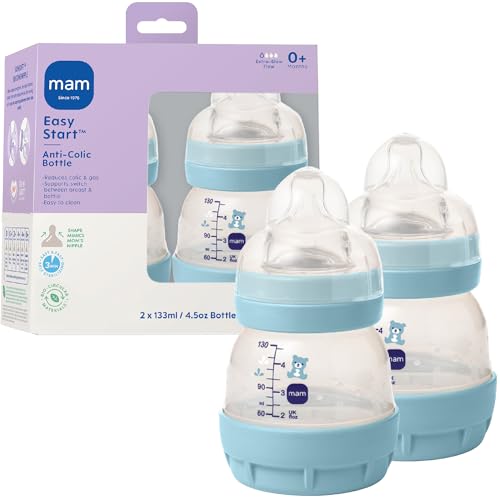
The MAM Easy Start bottle employs a dual anti-colic system with a vented base to reduce colic symptoms in many babies. Its extra slow/slow flow nipple design aims to mirror mom’s nipple feel and shape, making it suitable for preemies and newborns and for mixed feeding routines. The SkinSoft silicone nipple is designed for high acceptance, supporting a smooth switch between breastfeeding and bottle feeding.
Lansinoh Anti-Colic 5 oz Bottles (3 Count)

Lansinoh’s NaturalWave nipple design features a gentle slope and a flexible tip that adapts to feeding, promoting a secure latch. The bottle’s anti-colic system minimizes air intake, helping to reduce gas, fussiness, and spit-up. The 5 oz size fits a common newborn and early infancy feeding schedule and supports baby-led pacing for comfortable feeding sessions.
Dr. Brown’s Natural Flow Anti-Colic 8 oz Bottle
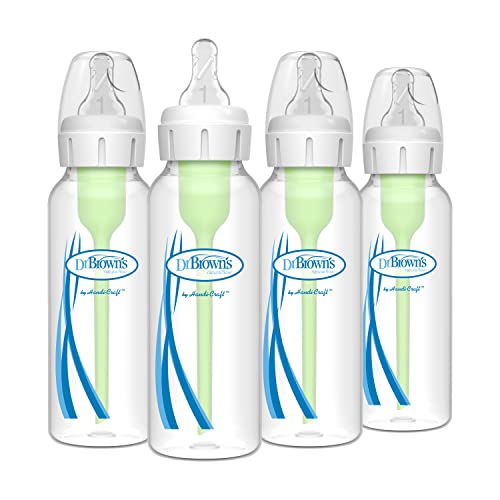
This 8 oz Dr. Brown’s bottle uses an anti-colic internal vent system designed to preserve nutrients and reduce spit-up, gas, and burping. The vacuum-free feeding and consistent slow flow nipples support a comfortable feeding pace for babies, particularly during growth spurts when slower, steady feeding can be beneficial for digestion and sleep.
Tommee Tippee Natural Start Anti-Colic 9 oz Bottle

Tommee Tippee’s Natural Start bottle is designed for seamless transitions between bottle and breast. Its silicone nipple aims to encourage a natural latch with an anti-colic valve to minimize air intake. The 9 oz size supports longer feeds without frequent refills, and the design emphasizes a leakproof, self-contained solution that can simplify daily routines and travel needs.
Buying Guide: Key Considerations For Slow-Flow Bottles
- Flow rate control: Look for nipples labeled as slow, extra slow, or Level 1 to maintain a steady, comfortable pace that mirrors breastfeeding.
- Anti-colic venting: A reliable venting system helps reduce air intake, which can lower gas, spit-up, and fussiness. Dual venting or nipple-integrated vents are common features.
- Nipple design and material: Silicone nipples with a skin-soft texture (like SkinSoft) and a nipple shape that mimics a mother’s breast can improve latch and comfort. Consider preemie- or newborn-friendly options if addressing early feeding needs.
- Capacity and age range: Choose bottle sizes that align with your baby’s appetite and growth stage. Some babies outgrow small bottles quickly, while others may benefit from slower feeds in the early weeks.
- Cleaning and assembly: Simpler venting systems or fewer parts can ease daily cleaning. Dishwasher-safe components may also be a priority for busy households.
- Material safety: Ensure bottles are BPA-free and free of harmful chemicals. Most popular options are designed to be baby-safe and durable for frequent use and sterilization.
- Transition compatibility: If you plan to alternate between breast and bottle, select nipples and bottle designs that support a natural latch and minimal nipple confusion.
- Care for preemie and newborn needs: Some bottles offer extra slow flow options and softer nipples that are particularly suitable for early-life feeding.
When selecting bottles, consider your baby’s preferences and feeding schedule. Real-world use—such as how easily a baby latches, how well they pace themselves, and how often spit-ups occur—will guide the best combination of nipple flow, venting technology, and bottle size for your household.