The market offers several cat cone alternatives designed to protect wounds while keeping cats comfortable. This guide highlights five top options, based on fit, softness, versatility, and ease of use for everyday activities like eating, drinking, and lounging. Each product below includes a quick look at key features to help caregivers choose the right fit for their pet’s needs.
| Product | Brand | Key Benefit | Size Notes |
|---|---|---|---|
| Cat Cone Collar, Purple Flower | H HIDREAM | Adjustable fit; spacious diameter for paw wounds | Size M; neck 6.5″ – 10.5″ |
| Hpetppy Cat Cone Collar Soft | Hpetppy | Soft cotton, lightweight; comfortable for long wear | Size S; neck 5.1″ – 8.6″ |
| QIYADIN Soft Cat Cone (M) | QIYADIN | Breathable twill fabric; durable and adjustable | Size M |
| ANWA Adjustable Cat Cone Collar Soft | ANWA | Soft, velvety feel; good for upper-body wounds | Size varies by listing |
| BEAUTYZOO Cat Cone Collars Soft | BEAUTYZOO | Donut pillow-style, adjustable drawstring | Small neck 5-10 inches |
H HIDREAM Cat Cone Collar (M)

The H HIDREAM cat cone collar offers an adjustable elastic fit for a secure, comfortable hold. It features a larger diameter to reduce licking of wounds, including lower limbs, and supports daily activities such as eating, drinking, and playing. It is presented as a practical alternative to traditional plastic cones, suitable for general wound care, deworming, nail trimming, and grooming. The M size accommodates necks 6.5 to 10.5 inches and weights under 11 pounds, with guidance to measure before ordering.
Hpetppy Cat Cone Collar Soft

Hpetppy’s soft cone collar is constructed with a plush cotton exterior, offering a gentle, lightweight experience. It uses an adjustable elastic band to ensure a proper fit and is available in three sizes, including size S for smaller cats. The design emphasizes comfort to minimize stress during wearing, allowing cats to eat and drink while recovering. It is suitable for upper-body wounds and is usable for kittens, puppies, and small dogs, though sizing should be checked by measuring neck and head circumference.
QIYADIN Soft Cat Cone (M)
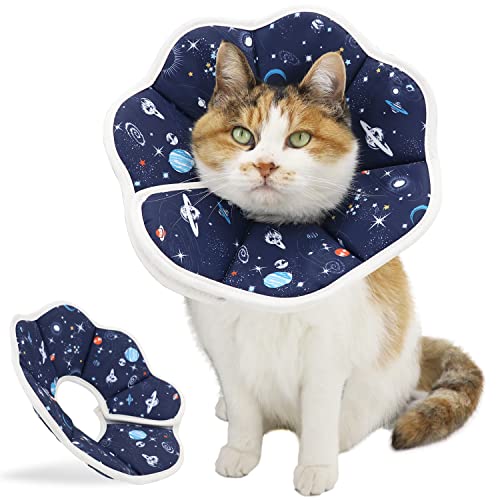
QIYADIN’s recovery collar uses a high-density twill fabric that is breathable and durable, with soft-edged trimming for comfort. The M size is designed to fit most cats and some puppies, and the Velcro-adjustable closure allows tailoring to the pet’s neck diameter. The lightweight construction reduces obstruction, enabling normal eating and activity while protecting wounds.
ANWA Adjustable Cat Cone Collar Soft
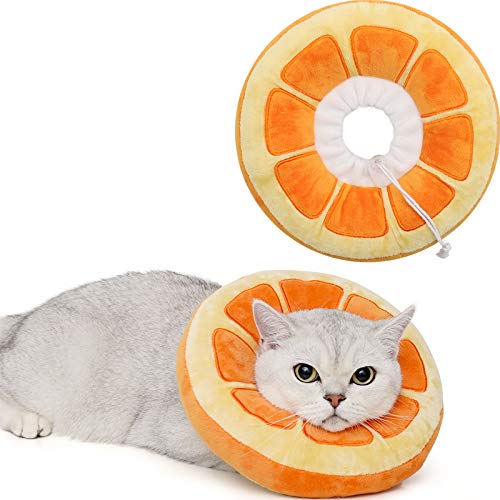
ANWA’s soft cat cone collar focuses on upper-body wound protection with a velvety texture that minimizes discomfort. The collar is designed to be lighter than rigid plastic alternatives, supporting natural behaviors such as eating and drinking while keeping the affected area safe. It is highlighted as particularly suitable for cats and puppies recovering from upper-body injuries, with careful sizing to avoid restricting movement.
BEAUTYZOO Cat Cone Collars Soft

BEAUTYZOO offers a donut-shaped, pillow-like alternative with an adjustable drawstring to ensure a snug fit. Marketed as an alternative to rigid cones, this collar allows cats to eat, sleep, and interact more naturally while preventing licking and scratching of upper-body wounds. The small-neck configuration covers a typical range of neck measurements, and the soft construction reduces the likelihood of head movement being impeded.
Buying Guide: Key Purchase Considerations And Comparisons
When selecting a cat cone alternative, consider fit, comfort, and the specific wound or recovery needs. Important factors include neck circumference, overall body coverage, and whether the collar interferes with eating, drinking, or vision. Soft fabrics tend to reduce stress and acceptance, while larger diameters help deter licking of lower limbs and torso wounds. Range of sizes matters for kittens, small breeds, and larger adults. Durability and ease of cleaning are practical considerations for long-term use.
- Size and fit: Carefully measure neck circumference and, if possible, head width to choose a collar that won’t slip off or constrict movement.
- Material and softness: Plush fabrics are gentler on the skin and more comfortable for extended wear, but ensure they are durable enough to withstand chewing or scratching.
- Coverage level: For upper-body wounds, look for collars that offer sufficient frontal exposure to allow eating and drinking without enabling wound licking.
- Adjustability: Velcro or elastic adjustments help achieve a secure yet comfortable fit for varying activity levels.
- Care and maintenance: Removable liners or washable materials simplify cleaning, which is important for hygiene during recovery.
- Durability vs. flexibility: Consider whether the collar should be rigid enough to deter licking or soft enough to reduce stress and promote acceptance.
Careful comparison of the five highlighted options shows a spectrum from plush, soft collars to more structured, donut-style alternatives. In homes with very active cats or those prone to paw or lower-body wounds, a larger diameter and softer material can offer better protection without increasing distress. For caregivers prioritizing ease of use and daily activities, collars with adjustable Velcro closures and breathable fabrics tend to perform best over the course of recovery.