Choosing the right cat food for irritable bowel syndrome (IBD) can help manage symptoms like vomiting, diarrhea, and sensitive digestion. This article highlights five digestion-focused options that support gut health, nutrient absorption, and overall vitality. Each option is formulated to be gentle on the stomach while delivering essential protein and energy. Use this guide to compare ingredients, digestive benefits, and veterinary backing to help you pick the right fit for your cat.
| Product | Brand | Key Benefit |
|---|---|---|
| Hill’s Science Diet Sensitive Stomach & Skin | Hill’s Science Diet | Precise balance for sensitive stomachs; prebiotic fiber; Omega-6s and Vitamin E |
| Hill’s Prescription Diet i/d Digestive Care Chicken Flavor Dry Cat Food | HILL’S PRESCRIPTION DIET | Veterinary-formulated digestive support; highly digestible; clinical stool improvement |
| Blue Buffalo True Solutions Digestive Care | Blue Buffalo | Clinically proven prebiotic fiber; high-protein with real chicken |
| Purina Pro Plan LiveClear Kitten Food | Purina Pro Plan | Allergen reduction in hair and dander; protein-rich kitten formula |
| Additional option overview | Various | Supplemental digestive support across life stages |
The following sections profile five cat foods with digestive-focused formulations. Each entry includes a concise overview of the product’s design for sensitive digestion, plus its notable ingredients and benefits. While diet is a key factor in managing IBD symptoms, always consult your veterinarian to tailor a plan to your cat’s specific needs.
Hill’s Science Diet Sensitive Stomach & Skin
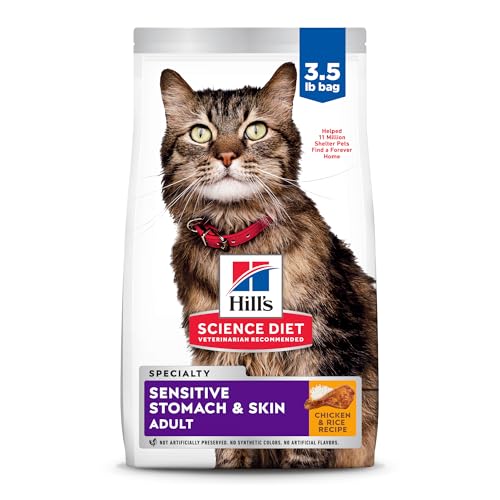
Hill’s Science Diet Sensitive Stomach & Skin targets cats with sensitive digestion and skin issues. Its formula emphasizes a precise balance of highly digestible ingredients designed to minimize stomach upset. The recipe includes prebiotic fiber to nourish beneficial gut bacteria and support a balanced microbiome, helping to improve stool quality over time. Omega-6 fatty acids and Vitamin E contribute to a healthier coat, which can be affected by digestive stress. This dry food is appropriate for adult cats aged 1-6 and emphasizes consistency and easy nutrient absorption, aligning with common veterinary guidance for sensitive GI systems.
Hill’s Prescription Diet i/d Digestive Care Chicken Flavor

Hill’s Prescription Diet i/d Digestive Care is a veterinary-exclusive option designed to support digestive health in adult cats. The dry formula emphasizes highly digestible ingredients and clinically supported nutrition to help settle digestive upset and improve stool quality. This product is formulated with guidance from veterinarians and nutritionists, aiming to provide reliable GI relief for cats experiencing ongoing digestive challenges. If standard diets fail to manage symptoms, this prescription diet is commonly recommended as part of a targeted GI care plan.
Blue Buffalo True Solutions Digestive Care

Blue Buffalo True Solutions Digestive Care is formulated to support digestive health with clinically proven prebiotic fiber. This high-protein option emphasizes real chicken as the first ingredient, aligning with consumer demand for quality sources of animal protein. The veterinary and animal nutritionist backing suggests a balance of digestibility and palatability, designed to maintain stool quality while delivering essential nutrients. This option fits cats requiring a protein-forward diet that also supports gut health through gut-friendly fibers.
Purina Pro Plan LiveClear Kitten Food

Purina Pro Plan LiveClear Kitten Food is notable for its allergen-reducing capability. This formula is the first and only dry kitten food that reduces cat allergens by safely neutralizing Fel d 1 in saliva with a protein derived from eggs. Although marketed for kittens, the product is used by some owners to manage early allergen exposure while supporting growth with a high-protein, chicken-and-rice profile. The product stands out for its science-backed allergen reduction, which can intersect with overall GI comfort when cats tolerate the recipe well. Parents of kittens or sensitive adult cats may consider it as part of a broader allergen and digestion strategy.
Buying Guide
Key considerations when selecting cat food for irritable bowel disease and digestive sensitivity:
- Digestibility and ingredients: Look for highly digestible proteins, easily broken-down carbohydrates, and fiber sources that support gut microbiota. Prebiotic fibers and balanced micronutrients aid nutrient absorption and stool quality.
- Life stage and veterinary guidance: Some GI-focused products are targeted for kittens, adults, or senior cats. In cases of IBD, a veterinarian may recommend a prescription diet or a veterinarian-guided plan to address specific symptoms and flare-ups.
- Allergen considerations: For cats with concurrent allergies, consider hydrolyzed protein options or diets that minimize common allergens. Some products advertise allergen reduction features, which may complement GI management.
- Protein source quality: Real meat as the primary protein source supports palatability and nutrition, which can influence feeding consistency and GI tolerance.
- Brand credibility and formulation claims: Veterinary-backed or clinically studied claims can provide confidence for chronic digestive concerns. Review feeding guidelines and any required transitions to minimize GI upset.
- Transition strategy: When changing cat food, gradually mix new food with the current diet over 7–14 days to reduce GI disturbance. Monitor stool quality, appetite, and energy during the transition.
- Cost and availability: GI-focused diets can be specialty items. Factor in ongoing accessibility and budget to maintain consistent feeding without gaps.
- Combined approach: Diet is one aspect of management. Hydration, a consistent feeding schedule, stress reduction, and regular veterinary checkups are important components of a comprehensive plan.
- Palatability and acceptance: Some cats with sensitive digestion are picky. If your cat refuses the recommended GI diet, consult your vet for alternatives or gradual flavor enhancements that don’t compromise digestion.
For any cat with irritable bowel symptoms, consult a veterinarian to determine whether a specific dietary approach—such as a prescription diet, a hydrolyzed protein option, or a standard digestive care formula—best matches the cat’s medical history, symptom profile, and nutritional needs. Regular monitoring helps ensure that the chosen food continues to support GI comfort, weight management, and overall health.