Choosing the right cat food for a nursing mother is essential for both queen cats and their newborn kittens. The right nutrition supports energy, immune health, and smooth transitions from milk to solid food. Below you’ll find five carefully selected products that address nursing needs, kitten development, and overall wellness. Each option includes evidence-based ingredients and formulations designed for mother cats and their babies.
| Product | Key Benefit | Target |
|---|---|---|
| Royal Canin Mother & Babycat Ultra Soft Mousse in Sauce (3 oz, Pack of 12) | Easy-to-eat mousse texture; supports mother and newborn kittens | Mother & Babycat |
| Royal Canin Mother & Babycat Queen Dry Cat Food (6 lb) | Dry kibble for transition from milk to solid food | Mother & Babycat |
| Royal Canin Mother & Babycat Ultra Soft Mousse in Sauce (3 oz, Pack of 6) | Soft mousse with sauce; helps early feeding | Mother & Babycat |
| Royal Canin Mother & Babycat Queen Dry Cat Food (3 lb) | Rehydratable kibble; easy-to-chew for baby teeth | Mother & Babycat |
| Lexelium Nursing Supplement for Nursing Dogs and Cats | Supports lactation and newborn development | Nursing pets (dogs & cats) |
The following product sections present concise overviews, including practical details drawn from each item’s features. Each section stays within the requested length and emphasizes how the product supports nursing queens and their kittens.
Royal Canin Mother & Babycat Ultra Soft Mousse In Sauce

Designed to support both pregnant or nursing queens and the healthy growth of newborn kittens aged 1-4 months, this ultra-soft mousse in sauce offers an easy-to-eat texture. The formulation includes clinically proven antioxidants, vitamins E and C, to help bolster immune development in kittens. It’s an ideal starter food for kittens transitioning from milk to solids and pairs well with Mother & Babycat dry food for a balanced feeding plan.
Royal Canin Mother & Babycat Dry Cat Food (6 lb)
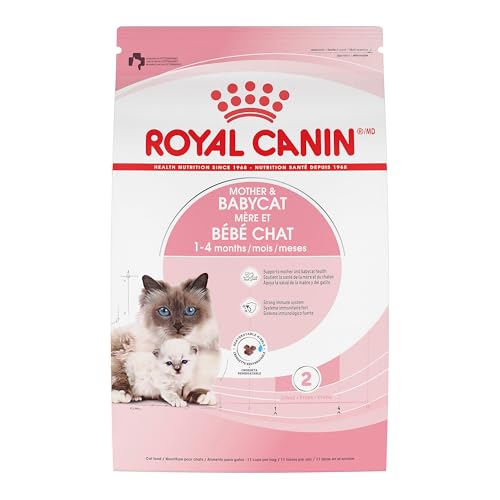
This dry kibble is tailored to support mother cats and newborn kittens during the 1-4 month window. The formula emphasizes an immune-supporting antioxidant blend, including vitamins E and C. Small, easy-to-chew kibble aids the transition from milk to solid foods and complements wet food offerings in a complete feeding regimen for nursing queens and their kittens.
Royal Canin Mother & Babycat Ultra Soft Mousse In Sauce (Pack Of 6)

This pack adds the soft mousse option in a smaller bundle, ideal for households needing multiple meals or varied textures. It continues the emphasis on supporting nursing queens and kittens with an antioxidant-rich profile to aid immune system development. The easy-to-eat texture makes it suitable during early weaning, when kittens are learning to embrace solid foods alongside their mother’s milk.
Royal Canin Mother & Babycat Dry Cat Food (3 lb)
This smaller dry option maintains the same nursing-friendly profile with rehydrated kibble that supports baby teeth. It helps the queen cat transition from milk to solid food while promoting healthy development for the kittens. The formula’s antioxidant blend remains a focus for immune support as the litter grows.
Lexelium Nursing Supplement For Nursing Cats
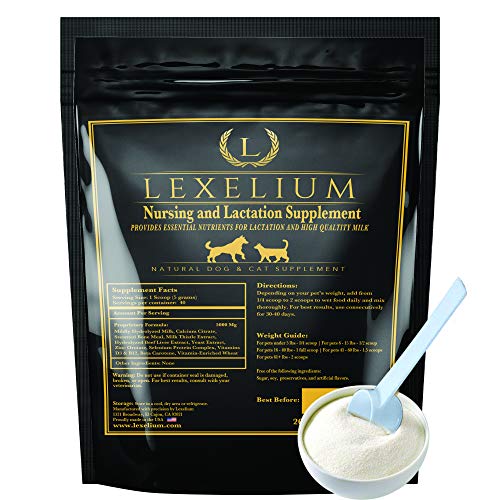
Lexelium’s nursing supplement is designed to support lactation, newborn muscle and skeletal development, and the energy recovery needs of nursing pets. The powder-based formula provides essential nutrients to help milk production and post-birth recovery, benefiting both queen cats and their pups or kittens during lactation periods.
Buying Guide: Key Considerations For Nursing Queens
When selecting cat food for a nursing mother, consider these factors:
- Age and stage: Early postpartum and 1-4 month kitten development require balanced nutrition with immune-supporting antioxidants.
- Texture preferences: A mix of wet and dry options can help with kitten transition and queen appetite. Include easy-to-chew dry kibble and soft mousse textures.
- Calorie density and portion control: Nursing cats have higher energy needs; ensure portion sizes align with activity levels and lactation demands.
- Digestive comfort: Formulas with gentle fibers and prebiotics support healthy digestion for both the queen and kittens.
- Immune support: Antioxidants like vitamins E and C contribute to immune development in kittens and overall queen health.
- Transition strategy: Pair wet and dry foods to help kittens move from milk to solid foods while keeping the queen engaged with familiar meals.
Product Selection Perspectives
Top picks emphasize digestive comfort, immune support, and easy feeding methods for nursing queens and kittens. The Royal Canin line provides formulations specifically targeted at mother cats and their newborns, with textures and kibble sizes designed for gradual weaning. Lexelium offers a lactation-focused supplement that complements feeding by supporting milk production and recovery after birth. For households preferring variety, blending wet mousses with dry kibble can deliver balanced nutrition across stages of kitten development.
Ingredient and Texture Considerations
Texture matters for kittens with developing teeth. Soft mousse formulas are particularly approachable, while dry kibble supports the transition to solid foods. Look for antioxidant blends in both wet and dry options to support immune health during early life stages. Check for clear labeling on targets (queen, kittens) and ensure compatibility with any other veterinary recommendations.
Feeding Plan Considerations
A practical feeding plan may combine wet food during the day for palatability and hydration with dry kibble at meals to promote chewing and dental health. Monitor kitten growth and queen appetite, adjusting portions as the litter grows. If using supplements, follow dosing guidelines and coordinate with veterinary guidance to ensure nutrients align with the litter’s needs.