Reactive dogs benefit from specialized collars that reduce pulling, offer gentle corrections, and improve leash manners during walks. The following five products are selected for their focus on training, safety, and comfort. This guide compares features, materials, and design considerations to help you choose the right tool for your dog’s needs.
| Product | Brand | Key Benefit |
|---|---|---|
| Mayerzon No Pull Dog Collar (M, Green) | Mayerzon | Integrated martingale links for controlled correction |
| Safiman Prong Collar for Dogs | Safiman | Front-clip design with quick release for communication and safety |
| Starmark Pro-Training Dog Collar (Large) | Starmark | Adjustable, gentle training aid for all life stages |
| PetSafe Gentle Leader Headcollar | PetSafe | No-pull headcollar redirects pulling away from the face |
| Halti Headcollar | Halti | Adjustable, reflective, padded nose band for humane control |
Choosing the right collar involves considering your dog’s size, behavior, and tolerance for training tools. The options below cover front-clip, martingale, headcollar, and tactical designs to address reactive walking from multiple angles.
Mayerzon No Pull Martingale Collar (M)

The Mayerzon No Pull Collar integrates the martingale mechanism directly into the strap, offering a camouflaged look that resembles a standard collar while providing controlled correction. Designed to reduce pulling without compromising neck safety, it uses heavy-duty nylon and a sturdy D-ring to withstand daily use. The collar’s smooth links and soft rubbers balance training pressure with comfort, aiming to keep respiratory and neck risk low during walks. This model is positioned for medium to large dogs and emphasizes confidence-building communication during training sessions.
Mayerzon No Pull Collar, Large (L, Green)
This larger Mayerzon model mirrors the M variant but is optimized for dogs with broader necks. The hidden-link construction aims to reduce the visibility of a traditional choke style while maintaining effective correction. Reviewers should verify the collar’s fit to ensure even distribution of pressure and prevent escapes or entanglements during vigorous activity. The product emphasizes long-lasting use and a comfortable walking experience for dogs that pull.
Safiman Prong Collar for Dogs
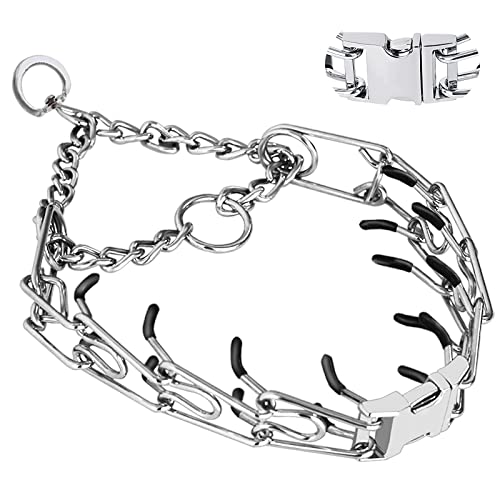
The Safiman training collar uses a front-clip prong design with a quick-release buckle and multiple links. This approach aims to mimic a mother dog’s correction, fostering clearer communication about unacceptable behaviors. The collar features a round-headed, smooth surface and soft rubberized caps to minimize discomfort. The front buckle design is intended to keep the leash in a favorable angle for handlers while maintaining ease of use for quick adjustments during walks. This collar suits dogs needing precise boundary training without harsh methods.
PetSafe Gentle Leader Headcollar
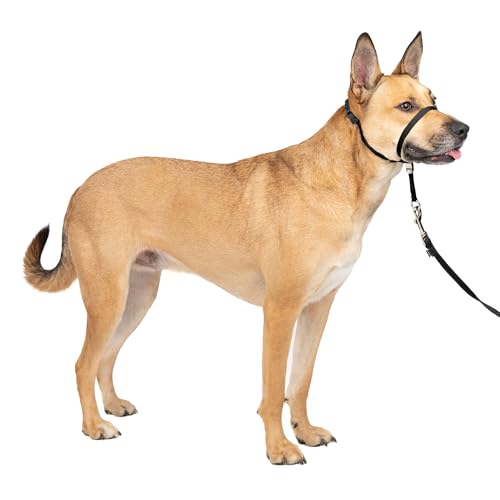
The PetSafe Gentle Leader headcollar redirects pulling by guiding the dog’s nose and head, allowing for calmer, controlled walking. It features a padded nose loop and an adjustable harness-style fit to maintain comfort across longer training sessions. The headcollar design is often favored for dogs that respond to gentle redirection rather than corrective pressure on the neck, making it a common choice for first-time trainers and dogs with sensitivity to neck-based tools.
Halti Headcollar – Adjustable and Reflective

The Halti headcollar emphasizes humane control with an adjustable fit and a padded nose band. The reflective accents improve visibility during dawn or dusk walks, offering an added safety feature for reactive dogs that may be startled by passing vehicles or pedestrians. The design aims to steer the dog gently in the desired direction without restricting breathing or panting, making it suitable for dogs with sensitive noses and those requiring consistent redirection during training sessions.
Buying Guide: Key Purchase Considerations
- Dog size and build: Choose collars that match your dog’s neck measurements and weight class. Martingale and front-clip systems work best for medium to large dogs, while headcollars are often preferred for smaller dogs or dogs with sensitive necks.
- Behavior patterns: Reactive dogs that pull hard may benefit from front-clip or martingale designs that limit leash pressure. Dogs requiring gentler redirection may respond well to headcollars with padded nose loops.
- Comfort and safety: Look for soft padding, breathable materials, and smooth edges to minimize discomfort. Ensure the device allows natural panting and does not obstruct breathing or swallowing.
- Training goals: If the goal is to reduce lunging, a front-clip or martingale mechanism provides added feedback. If the aim is to redirect focus during walks, a headcollar can be effective.
- Durability and maintenance: Heavy-duty nylon, metal buckles, and reinforced stitching are key for dogs that engage in intense activity. Cleaning instructions and rust resistance are worth checking for long-term use.
- Fit and adjustment: Adjustable collars help accommodate growth or fluctuations in body condition. Verify proper sizing guides and return policies before purchase.
- Usage practices: Training effectiveness improves when used as part of a broader behavior plan including positive reinforcement, consistent cues, and professional guidance if needed.
Overall, selecting a collar for a reactive dog involves balancing corrective capability with comfort and humane handling. Front-clip martingale designs deliver corrective feedback with reduced neck pressure, while headcollars offer a redirective approach that can minimize triggering behaviors. Consider your dog’s temperament, daily activity, and your training approach when choosing the best option.