Finding a safe and effective dewormer for kittens is essential to keep young felines healthy and comfortable. The right product should target common parasites, be suitable for kittens, and be easy to administer. Below are five well-regarded options that cover a range of parasite types and administration styles, with credible veterinary backing. Use this guide to compare active ingredients, dosage, and suitability for your kitten’s age and weight.
Summary Of Chosen Products
| Product | Brand | Form | Target Parasites |
|---|---|---|---|
| Elanco Tapeworm Dewormer (praziquantel tablets) | Elanco | Tablets | Tapeworms |
| Durvet WormEze Liquid | Durvet | Liquid | Roundworms (large) |
| NateNatenight Dewormer (Pyrantel Pamoate) | NateNatenight | Liquid | Roundworms & Hookworms |
| WELOSUER Cat Herbal Cleanse | WELOSUER | Drops (herbal) | General digestive support with worm-related concerns |
| VivelysZoa Liquid Cat & Kitten Dewormer | VivelysZoa | Liquid | Roundworms & Hookworms |
Elanco Tapeworm Dewormer For Cats And Kittens
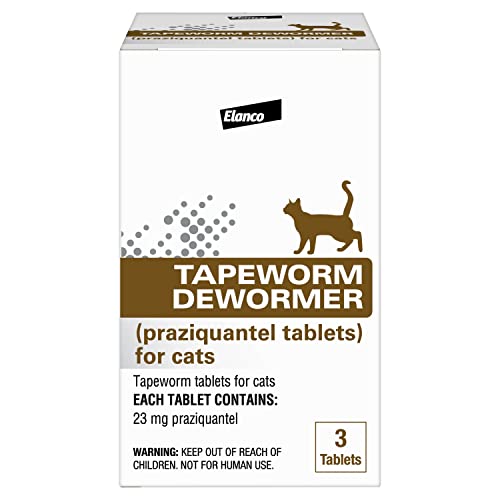
Elanco Tapeworm Dewormer is a 3-count bottle of praziquantel tablets designed to remove tapeworm infections in cats and kittens six weeks and older. Tablets can be crumbled and mixed with food or given by mouth, offering flexibility for cats who resist pills. This product focuses specifically on tapeworms, which are a common issue in young felines and can cause digestive upset and weight loss if left untreated. Proper dosing should follow veterinary guidance based on weight and age. This option is best for households where tapeworm exposure is a concern.
Durvet WormEze Liquid Canine & Feline Antihelmintic

Durvet WormEze is an inexpensive liquid dewormer intended to help control large roundworms in dogs and cats of any age, including kittens over six weeks. It is designed for easy administration—added to water or food—and is marketed as safe for young pets. While its broad labeling covers both dogs and cats, Katzen households should ensure suitability for the specific kitten’s age and parasite risk, and monitor for any adverse reactions as with any deworming product. This option emphasizes accessibility and ease of use.
Dog And Cat Dewormer – 12 Oz Wormer Liquid

Chew + Heal Labs offers a 12-ounce wormer liquid aimed at puppies and kittens, capable of paralyzing and expelling roundworms. It uses Piperazine citrate to paralyze parasites, facilitating their expulsion. This product is positioned for multi-pet households and supports dosages across sizes, though owners should verify kitten-specific dosing as well as any breed or age restrictions before use. It provides a practical option for households seeking a liquid format with straightforward administration.
NateNatenight Cat & Kitten Dewormer
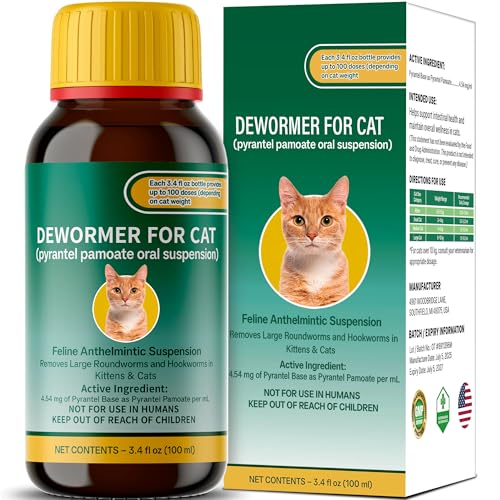
This pyrantel pamoate-based liquid is designed for cats and kittens and targets roundworms and hookworms. The product emphasizes safe ingredients and suitability for kittens and adult cats, with a focus on maintaining a gentle yet effective approach to parasite control. It is widely used for broad welfare care and is positioned as reliable for young felines within the recommended age range, with dosage guidance included on the package.
Liquid Cat & Kitten Dewormer, Pyrantel Pamoate
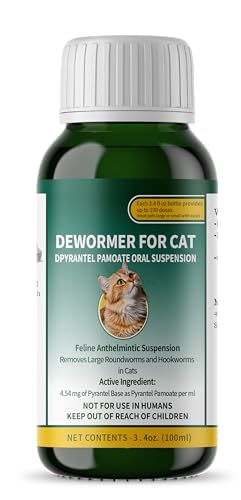
VivelysZoa’s liquid dewormer combines pyrantel pamoate with a palatable butterscotch vehicle, designed to treat large roundworms and hookworms in cats and kittens. Each milliliter contains a measured dose of active ingredient, complementing a simple administration method for pet parents. This option is suitable for owners seeking a tasty-tasting solution that still delivers clinical benefits in parasite control for kittens and adult cats alike.
Buying Guide: Key Purchase Considerations
When choosing a dewormer for a kitten, consider the following factors to ensure a safe and effective experience:
- Age and weight suitability: Many products specify kitten eligibility (often six weeks or older). Confirm the product’s recommended dosing for your kitten’s age and weight.
- Target parasites: Some products target tapeworms (praziquantel), others address roundworms and hookworms (pyrantel pamoate). A broad-spectrum option may be preferable if exposure risk is uncertain.
- Administration method: Liquid formulas can be easier to dose for small kittens; tablets offer precise dosing but may be harder to administer. Some liquids can be added to food or water.
- Ingredients and safety: Look for veterinarian-backed ingredients and avoid products with unnecessary additives. Check for any contraindications with other medications or health conditions.
- Veterinary guidance: Parasite control programs can vary by region and lifestyle. Consulting a veterinarian helps tailor treatment to the kitten’s needs and prevents under- or over-treatment.
- Reinfection prevention: Consider environmental controls and regular deworming schedules to minimize recurrence, especially in multi-pet or outdoor environments.
- Label instructions and dosage: Follow the package directions precisely. Some products require a single dose while others require repeated dosing over several days.
The options above provide a range of forms and parasite targets to suit different households. Always monitor your kitten after administration for any adverse reactions, and seek veterinary care if you observe persistent symptoms or lethargy.