Choosing the right dog food for tiny companions can be challenging, given their unique needs for protein, digestion, and energy. This guide highlights five well-suited toy-dog formulas and how they address common concerns such as protein density, digestibility, and skin-and-coat health. Each product below is designed to support small breed dogs, emphasizing high-quality ingredients, appropriate kibble size, and nutrients that align with toy-dog energy levels. Use the quick-reference table to compare core aspects at a glance.
| Product | Brand | Key Benefit | Approx. Bag Size |
|---|---|---|---|
| Purina Pro Plan Toy Breed Chicken & Rice | Purina Pro Plan | High protein with live probiotics for digestive support | 5 lb |
| Hill’s Science Diet Small & Mini | Hill’s Science Diet | Digestible ingredients; supports lean muscle | 4.5 lb |
| Blue Buffalo Life Protection Toy Breed | Blue Buffalo | Real chicken first; natural ingredients | 4 lb |
| Health Extension Little Bites | Health Extension | Probiotics and superfoods for digestion and coat health | 4 lb |
| Wellness Complete Health Toy Breed | Wellness | Balanced nutrition with supporting nutrients | 4 lb |
Each option below is tailored to toy breeds, with considerations such as easy-to-chew kibble, energy-appropriate protein levels, and balanced fats to support healthy skin and coat. Review the highlights and features to determine which could best align with your dog’s dietary needs and lifestyle.
Purina Pro Plan Toy Breed Chicken & Rice

Purina Pro Plan Toy Breed Chicken & Rice Formula is crafted for active toy breeds. It prioritizes real chicken as the first ingredient and is high in protein to support muscle maintenance and energy for small dogs. The inclusion of guaranteed live probiotics helps support digestive health, which is important for sensitive toy-breed tummies. The natural prebiotic fiber further nourishes beneficial gut bacteria. This formula is designed to assist daily energy needs while supporting a healthy immune system through balanced nutrients.
Hill’s Science Diet Small & Mini

Hill’s Science Diet Small & Mini is designed for adult dogs aged 1-6 in small and toy breeds. It uses highly digestible ingredients to ease stomach workload and maintain lean muscle with high-quality protein. The formula also includes omega-6 fatty acids and vitamin E to promote a healthy skin and coat. Designed to be gentle on the digestive system, this option is a reliable everyday food for small dogs who need steady energy and easy digestion.
Blue Buffalo Life Protection Toy Breed

Blue Buffalo Life Protection Toy Breed uses real chicken as the first ingredient and avoids poultry by-products, corn, wheat, and soy. The formulation supports higher energy needs in toy breeds with a balanced blend of protein and wholesome carbohydrates. This natural option emphasizes premium ingredients and provides a nutrient-dense plate that can help maintain an active lifestyle in small dogs while supporting healthy weight management.
Health Extension Little Bites
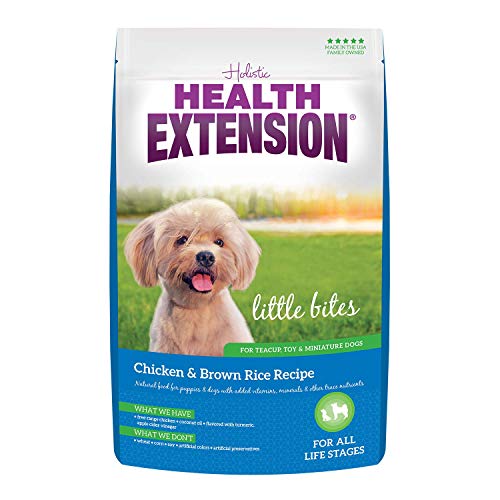
Health Extension Little Bites is a toy-breed formula featuring a small kibble size designed for teacup, toy, and miniature breeds. Real deboned chicken provides lean protein to support muscle and sustained energy. The product is boosted with 30+ superfoods, including turmeric, apple cider vinegar, coconut oil, berries, and more, which contribute to natural health benefits like digestion and coat condition. This option emphasizes a whole-food-inspired approach while maintaining practical sizes for tiny mouths.
Wellness Complete Health Toy Breed

Wellness Complete Health Toy Breed offers a nutritionally balanced dry food with protein-rich ingredients such as chicken, brown rice, and peas. The formula supports healthy body weight and a robust immune system with antioxidants, probiotics, vitamins, taurine for heart health, and omega fatty acids for skin and coat health. This option is suitable for dogs needing a comprehensive daily diet that supports overall wellbeing in a compact, easy-to-chew kibble.
Buying Guide
- Protein adequacy: Toy breeds benefit from higher protein per calorie relative to their size. Look for products that list real meat as a primary ingredient and provide guaranteed protein content appropriate for small, active dogs.
- Kibble size and texture: Small or teacup kibble improves ease of chewing and digestion. If your dog has dental sensitivity, consider softer textures or smaller bites.
- Digestive health features: Probiotics and prebiotics, as well as fiber sources, can support gut health, which is crucial for toy breeds prone to digestive upset.
- Allergen considerations: Some dogs benefit from grain-inclusive formulas; others may require grain-free options. Evaluate ingredients based on your dog’s sensitivities and vet guidance.
- Skin, coat, and immune support: Omega-3/6 fatty acids, vitamin E, and antioxidants can contribute to coat shine and immune resilience, particularly in small breeds with high energy.
- Flavor and palatability: For picky eaters, rotating among a few high-quality options or selecting flavors that appeal to your dog can help ensure consistent intake.
- Feeding guidelines: Toy breeds burn calories quickly but require careful portion control to avoid weight gain. Use the feeding instructions on the bag as a starting point and adjust based on activity and body condition.
- Quality and safety: Choose brands with transparent ingredient sourcing, life-stage suitability (adult vs. puppy), and appropriate certifications or veterinary endorsements where relevant.
Choosing the right dog food for toy breeds involves balancing digestibility, energy needs, and bite-size convenience. The products above provide diverse approaches—from real-meat focus and probiotics to superfood blends and fortified nutrients—so you can align selection with your dog’s health goals and lifestyle. When in doubt, consult your veterinarian to tailor a plan that suits your toy dog’s age, activity level, and any dietary sensitivities.