The presence of urate stones in dogs often calls for specialized dietary strategies to support urinary health and reduce stone recurrence. This article highlights select dog foods and related urinary health products designed to manage urate risk, with objective details on formulation, protein levels, and digestibility. Each option is evaluated for palatability, veterinary guidance, and potential use as part of a long-term bladder health plan.
Summary of chosen products
| Product | ||
|---|---|---|
| Hill’s Prescription Diet u/d Urinary Care Dry Dog Food (8.5 lb) | Dry Food | Hill’s Prescription Diet |
| Hill’s Prescription Diet u/d Urinary Care Dry Dog Food (27.5 lb) | Dry Food | Hill’s Prescription Diet |
| Dog & Cat Bladder Crystals Treatment or Stone—Herbal Formula | Liquid/Herbal Supplement | Ourea |
| Hill’s Prescription Diet u/d Urinary Care Chicken Flavor Wet Dog Food | Canned Food | Hill’s Prescription Diet |
| Bladder & Kidney Stones Dissolver for Dogs (Herbal) | Herbal Supplement | Clidelan |
Hill’s Prescription Diet u/d Dry Dog Food (8.5 lb)

Hill’s Prescription Diet u/d Urinary Care Dry Dog Food is formulated by Hill’s nutritionists and veterinarians to support bladder health and reduce the risk of urate and cystine stones. It features controlled levels of high-quality, highly digestible protein with decreased purines, aimed at lowering urate stone formation risk. This dry formula is designed for dogs needing long-term urinary care under veterinary guidance, emphasizing hydration and stone-prevention through diet.
Key points:
– Targeted for urate and cystine stone prevention
– Lower purine content with balanced protein
– Vet-prescribed urinary care profile for chronic management
Note: Veterinary oversight is often advised for dogs with a history of urinary stones to ensure ongoing monitoring and adjustment as needed.
Hill’s Prescription Diet u/d Dry Dog Food (27.5 lb)

This larger bag of Hill’s u/d Urinary Care Dry Dog Food offers the same bladder-support formulation at a size suitable for households with multiple dogs or for extended supply. The product aims to support urinary system health, reduce the risk of urate and cystine stones, and provide a digestible protein profile with fewer purines. As with the smaller bag, it’s intended for veterinary-guided, long-term use in dogs at risk of stone formation.
Key points:
– Large-breed or multi-dog suitability
– Consistent urate/cystine prevention profile
– Long-term dietary management under veterinary supervision
Dog & Cat Bladder Crystals Treatment or Stone (Herbal Formula)

This herbal formula from Ourea is marketed as a nutritional support program for bladder and kidney stones in cats and dogs. It emphasizes mineral balance, urinary tract comfort, and stone-management through natural ingredients like cranberry and other botanicals. It is positioned as a long-term support product intended to reduce recurrence and maintain urinary tract health.
Key points:
– Natural, herbal approach to stone management
– Aims to reduce recurrence and support urinary comfort
– Suitable for cats and dogs, with attention to stone-prone individuals
Hill’s Prescription Diet u/d Urinary Care Chicken Flavor Wet Dog Food

This canned formulation of Hill’s u/d Urinary Care provides a sensory alternative to dry food, with the same urinary support profile. Wet food can enhance palatability and hydration, two important factors in managing urinary stone risk. It is designed to work alongside veterinary guidance to maintain bladder health and minimize stone formation risk through moderated purine content and balanced protein provision.
Key points:
– Enhanced palatability and hydration
– Complementary to dry urinary care diets
– Veterinary-guided for ongoing stone management
Bladder & Kidney Stones Dissolver for Dogs (Herbal)
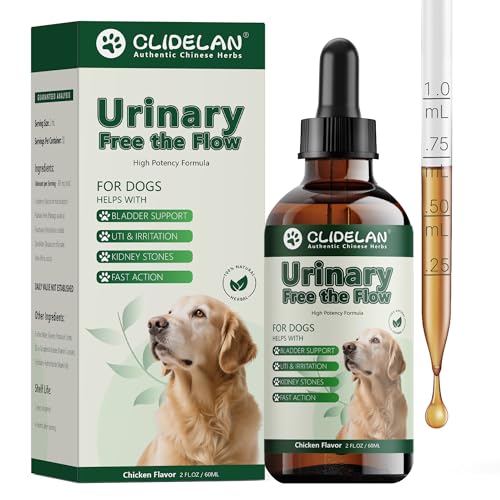
This herbal dissolver targets bladder and kidney stones through a combination of botanicals intended to support urinary tract health and stone resolution. It emphasizes a gentle, long-term approach to urinary wellness, with claims of improving stone discharge and reducing recurrence risk when used as part of a broader veterinary-directed plan. It may be used for dogs with a history of stones or during recovery phases under professional guidance.
Key points:
– Herbal formulation aimed at dissolution and prevention
– Focus on urinary balance and stone management
– Use under veterinary guidance, especially with prior stone history
Buying Guide: Key Purchase Considerations For Urate Stone Management
When choosing products for dogs at risk of urate stones, several factors influence effectiveness and safety. The following considerations help compare options and align them with a veterinarian’s recommendations.
- Stone type and dietary strategy: Urate stones require diets with controlled purines and tailored protein levels. Dry and wet therapeutic diets from Hill’s are designed for veterinary-prescribed urinary care, while herbal blends focus on support and prevention. A vet can help determine whether a prescription diet or a supportive herbal approach is best.
- Protein quality and digestibility: Highly digestible proteins aid urinary health and reduce strain on the kidneys. Look for products that specify controlled purine content and high-quality protein sources.
- Hydration and moisture: Wet foods and hydration-focused regimens can help dilute urine and reduce stone risk. Including canned options like Hill’s u/d wet food can complement dry diets, especially in dogs prone to dehydration.
- Palatability and acceptance: Smooth transition to a urinary care diet is essential. A mix of dry and wet options can improve acceptance for picky eaters while maintaining therapeutic goals.
- Long-term management vs. acute treatment: Some products are intended for ongoing, veterinary-guided management, while others are herbal supplements for supportive care. Distinguish between diet-based therapy and adjunctive supplements.
- Safety and monitoring: Urate stone management should involve regular veterinary checkups, urine analysis, and possible imaging to track stone burden and urinary health. Do not replace professional guidance with over-the-counter products alone.
- Multi-dog households: Larger bag options offer cost efficiency for households with more than one dog, but ensure each dog’s needs are compatible with the chosen formula.
Bottom line: For dogs with a history of urate stones, combination approaches—such as a veterinarian-guided urinary care dry food, optional wet food, and precise hydration strategies—often provide the most reliable urinary health support. Herbal supplements may be useful as adjunctive care under supervision, particularly during stone recovery or recurrence prevention phases.