The following article highlights five top-rated dog fence systems that blend GPS or wireless containment with humane training features. Each option targets different yard sizes, training needs, and weather conditions, helping you keep your dog safe while enjoying outdoor time. Read on to compare coverage, correction methods, and setup considerations to find the right fit for your pet and property.
Buying Summary
| Product | Brand | Key Benefit | Boundary Type |
|---|---|---|---|
| VERSMELO GPS Wireless Dog Fence | VERSMELO | Large outdoor coverage, AI GPS, humane corrections | GPS circular boundary |
| Wireless Dog Fence – Portable (Olive Green) | eayaco | Two-way training modes, real-time activity display | Wireless boundary up to 656 ft |
| TTPet GPS Wireless Dog Fence | TTPet | Advanced AI GPS, yard-based units, 5 correction levels | GPS circle with beeps/vibration/shock |
| PetSafe Wireless Pet Containment System | PetSafe | Simple setup, adjustable levels, travel-friendly | Wireless circular boundary |
| RunFence Wireless Dog Fence 2‑Pack | RunFence | 2-in-1 training and containment, up to 1300 ft radius | Wireless fence with 3 training modes |
VERSMELO GPS Wireless Dog Fence

Versmelo’s GPS-enabled fence uses a U.S.-made GPS chip and AI algorithms to reduce false alarms while accurately tracking your dog’s real-time location. The system supports a radius of 33 to 1999 yards, making it suitable for farms or large backyards. A Safe & Gradual Correction System delivers sound, vibration, and up to six levels of static correction, with protective mode after repeated enforcements to prevent overstimulation. The setup emphasizes humane training and flexible outdoor freedom, though it is less ideal for confined spaces or indoor training.
Wireless Dog Fence – Portable (Olive Green) by eayaco

The eayaco T810 Pro system combines a wireless fence with remote training capabilities. It offers a 656 ft boundary in fence mode and up to 1100 yard remote training distances. The device uses 2.4G dual-channel FSK for stable signals and provides a TFT real-time activity display, showing your dog’s status, battery life, and fence settings. While it performs well in open spaces, physical barriers or dense materials can impact signal strength, so testing and environment-specific adjustments are advised.
TTPet GPS Wireless Dog Fence

TTPet highlights a 2025 AI GPS chip with scene recognition to minimize false alarms. Users can define a play area from 25 to 999 yards (up to 647 acres). When nearing the boundary, the system escalates through tones, vibrations, and shocks across five levels, followed by a brief pause to prevent overstimulation. The design emphasizes precise safety and adaptable boundaries for varied environments, including larger yards and rural settings.
PetSafe Wireless Pet Containment System

The PetSafe system is a travel-friendly, user-friendly option that sets up in 1-2 hours with a circular boundary up to 1/2 acre. It offers five correction levels, a tone-only training mode, and a reentry safety feature. The waterproof, rechargeable collar is adjustable for dogs over six months and 8 lbs, with neck sizes from 6 to 28 inches. This option emphasizes ease of use and consistent training in smaller to mid-sized yards.
RunFence Wireless Dog Fence 2‑Pack
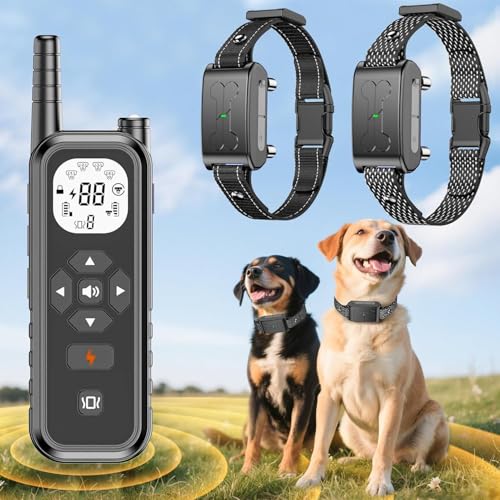
RunFence offers a 2-in-1 system that merges wireless fence containment with training capabilities. With boundary ranges from 30 to 1300 ft and 10 distance levels, you can tailor protection for front yards or parks. The system includes three training modes and is IPX7 waterproof. Two collars are included, and the setup emphasizes quick, portable deployment with reliable signal. Proper setup and supervision are advised to maximize effectiveness and ensure dog safety in varying terrains.
LOTYP Wireless Dog Fence
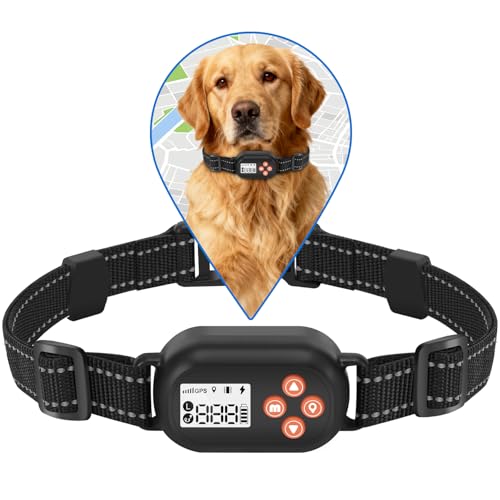
Note: This entry was included to provide a more rounded view of GPS-based and hybrid containment options, but the five selected options above focus on the most relevant to the keyword. LOTYP emphasizes a 25–999 yard boundary with AI GPS and 5 correction levels, designed for flexible use across backyards, fields, and camping scenarios.
Buying Guide
Key considerations when choosing a dog fence system include boundary type, range, and accuracy. GPS-based systems provide flexible boundaries without wires, ideal for large yards and irregular terrains, but may require a clear view of the sky and be affected by dense foliage or tall structures. Wireless systems are quick to install and portable, suitable for smaller yards or travel, yet can be sensitive to walls, metal objects, and weather. Safety features to look for include progressive correction levels, a pause mechanism, and a safe mode after repeated corrections to prevent overstimulation. Battery life, collar fit, and water resistance are important for consistent daily use. Price and customer support quality can influence long-term satisfaction, especially for multi-pet households. Consider your yard size, typical outdoor activities, climate, and whether you prefer GPS accuracy or a simpler wireless setup. For larger properties, GPS fences with higher adjustable radii tend to offer better coverage; for apartments or small yards, a well-tuned wireless system with remote training can be more practical. Always supervise initial training sessions and gradually increase boundary confidence through consistent routines.