Finding a reliable electric fence system for a small dog means balancing boundary accuracy, ease of setup, and humane training options. The following selections showcase GPS and wireless options designed to keep small breeds secure without heavy installation. Each product is evaluated for suitability in yards, parks, or outdoor spaces where precise boundaries and weather resistance matter. Use this guide to compare boundary methods, setup speed, and training modes to choose the best fit for your pet’s temperament and your property layout.
| Product | Brand | Boundary Type | Approximate Range |
|---|---|---|---|
| GPS Wireless Dog Fence System | DJNFGQ | GPS Circular and Free-Form | 49 ft to 6561 ft |
| PatPet GPS Wireless Dog Fence System | PATPET | GPS Circular/Polygonal | 33-9999 yards |
| TTPet GPS Wireless Dog Fence | TTPet | GPS Circular/Custom | 25-999 yards |
| PetSafe Wireless Pet Containment System | PetSafe | Radio/Fence Circle | Up to 1/2 acre |
| PetSafe Basic In-Ground Fence | PetSafe | Underground Boundary | 1/3 acre (500 ft included) |
Note: All products are designed for outdoor use and vary in installation method, correction types, and coverage. Consider your dog’s size, temperament, and the terrain when selecting a system. The sections below provide objective summaries, key features, and practical considerations to help you decide.
GPS Wireless Dog Fence System

The GPS-based fence system uses satellite positioning to define boundaries. It supports two modes: circular fences for quick daily limits and a free-form polygon mode that adapts to irregular terrain. The collar receives GPS signals and can trigger corrective actions when a boundary is approached, providing precise containment without burying wires. A distinctive advantage is no trenching or posts required, making setup fast for yards, parks, or farms. Waterproof and rechargeable, this model is designed for durability in varied weather. It is suitable for larger properties or complex layouts where traditional wire insulation would be impractical.
Key considerations include GPS reliability in your area, the need for satellite signals (which may be affected by dense cover or tall structures), and the maximum boundary size. For small dogs, start with smaller circular or polygonal boundaries and monitor how they respond to the correction levels. The system’s flexibility supports ongoing boundary adjustments as your dog’s training progresses. Overall, a modern GPS approach offers strong boundary control with quick setup.
PetSafe Wireless Pet Containment System

This classic wireless system creates a circular boundary that encloses up to a half-acre, reducing the need for digging and installation time. It includes adjustable correction levels and a tone-only training mode to reinforce boundaries without constant correction. The waterproof receiver collar fits small dogs and offers a range of neck sizes, making it versatile for breeds that require a gentler training approach. The setup is straightforward and portable, great for renters or households that move seasonally. It is a reliable option for basic containment without the complexity of GPS.
Consider that wireless systems can be sensitive to environmental interference from metal objects or neighboring devices. For small dogs, starting with a modest boundary and modest correction is prudent. This model emphasizes user-friendly installation and predictable performance, ideal for first-time perimeter training.
PetSafe Stubborn Dog In-Ground Fence

The in-ground option provides a customizable boundary by burying a low-voltage wire along the yard’s perimeter. It’s designed to accommodate up to 1/3 acre with 500 feet of included wire, with the possibility to expand. The waterproof collar offers tone and vibration modes, plus several static correction levels to tailor the experience to a stubborn or highly energetic small dog. This approach is ideal for yards with irregular shapes or landscaping features, as the boundary can be molded to fit specific spaces. It requires a bit more installation effort but produces a discreet, permanent solution.
Pros include precise boundary shaping and long-term stability. Cons involve digging and wiring work, plus ongoing maintenance of underground components. For small dogs with strong motivation to explore local surroundings, an in-ground system can deliver a discreet, robust containment solution when properly installed.
RunFence 2-in-1 Wireless Fence And Training Collar
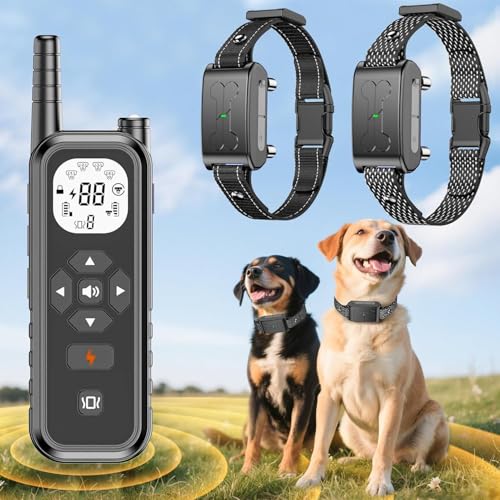
This 2-in-1 system blends boundary control with training features, ideal for households seeking a multifunction device. It offers 10 adjustable distance levels from 30 to 1300 feet, allowing tailored boundaries for a small dog’s play area. The collar supports three training modes and a visible warning tone, providing a scalable approach to training as your dog learns. A pool of water resistance classed as IPX7 ensures operation in wet conditions. The 1-second response and reliable signal transmission are highlighted by a smart chip, supporting quick corrections when boundaries are approached.
Consider the trade-off between range and portability. While it provides a compact, travel-friendly solution, very large outdoor spaces may still require a larger or more sophisticated system. This model suits smaller properties or frequent outdoor excursions where setup speed and versatility matter.
PcEoTllar Electric Fence For Dogs

PcEoTllar offers a flexible fence with both underground and aboveground boundary options. The system supports up to four-fifths of an acre, emphasizing buried wires for a clean yard and reduced tripping hazards. It includes an adjustable reflective collar and a silica gel contact method to protect the dog’s skin. The setup focuses on easy installation with all necessary components included, making it suitable for households that value a simple, reliable boundary solution without the visual impact of visible wires. The collar’s fit range accommodates small to medium dogs when properly adjusted.
Key considerations include the durability of underground wiring, dig-proofing strategies, and how often you plan to relocate or reconfigure the boundary. For small dogs, ensuring a comfortable collar fit and safe contact points is critical to maintain humane training standards while preventing escapes.
PATPET GPS Wireless Dog Fence System

PATPET’s GPS fence emphasizes two primary features: precise GPS positioning and a flexible boundary radius from 33 to 9999 yards, making it capable of covering very large outdoor areas. The system supports obstacle-aware training with memory functions to preserve boundary settings after power-off. It includes three training modes to tailor the experience, including No Shock and various Shock levels, with a Protection Mode designed to deter excessive corrections. This model is well suited for large yards or multi-area properties where traditional wire fencing would be impractical.
Perspectives to weigh include GPS reliability in your region, maintenance of satellite visibility, and whether a memory function is essential for your training routine. For small dogs on larger properties, this system provides scalable control with humane options when used correctly and gradually.
Buying Guide: Key Purchase Considerations For Small Dogs
When choosing an electric fence system for a small dog, consider these core factors:
- Boundary Type and Terrain: GPS fences excel on irregular terrain and large spaces, while in-ground and wireless systems suit small yards and easier layouts. For tiny dogs, precise, gentle correction is essential to prevent over-stimulation.
- Dog Temperament and Training Needs: For puppies or easily distracted dogs, gradual training modes with tones before corrections reduce stress. Systems with multiple correction levels allow progressive training.
- Installation And Maintenance: Wireless systems are typically easiest to install, while in-ground fences require more setup but can be aesthetically discreet. Consider weather resistance, collar battery life, and the need for periodic wire checks.
- Boundary Adjustability: Look for boundaries that can be easily expanded or modified as your dog grows or as your yard changes. Memory features help preserve settings across power cycles.
- Safety Features: Tone-only modes, pause cycles, and protection modes help prevent overstimulation. IPX ratings and waterproof collars support reliable operation in varying conditions.
- Property Fit: For small, fenced-in spaces, a compact wireless solution may be sufficient. For larger outdoor areas or dynamic environments, GPS-based or in-ground options provide scalable containment.
- Cost Of Ownership: While initial setup matters, consider long-term costs such as replacement batteries, collar wear, and potential boundary reconfiguration as your dog’s needs change.
In summary, GPS-based fences offer high flexibility for irregular spaces but may depend on satellite visibility. Wireless and in-ground systems provide straightforward setup and stable performance in standard yards, with wiring and maintenance considerations. For small dogs, prioritize comfort, gradual training options, and adjustable boundaries to ensure safe, humane containment across varying property layouts.