Half saddle pads are essential for protecting a horse’s back, improving saddle fit, and reducing hot spots during training and competition. This guide highlights top options that balance cushioning, airflow, and adjustability. Each pick below draws from memory foam, gel padding, or premium fibers to support diverse conformation and riding styles. Explore how these pads address pressure relief, withers clearance, and tack stability across disciplines.
| Product | Brand | Key Benefit | Materials |
|---|---|---|---|
| ECP Equine Comfort Memory Foam Half Saddle Pad (Black) | ECP Equine Comfort Products | Customizable fit; injury prevention | Quilted poly cotton, memory foam inserts |
| CHALLENGER Half Saddle Pad with Wither Relief | CHALLENGER | Air flow; cool ride | Cotton fleece fleece, poly cotton |
| Kavallerie 3D Air-Mesh Half Pad | Kavallerie | Heat relief; stability | 3D air-mesh, gel padding |
| ECP Equine Comfort Memory Foam Half Pad (White) | ECP Equine Comfort Products | Ergonomic support; spinal protection | Quilted poly cotton, memory foam inserts |
| Harrison Howard Dyna-Sorb Memory Foam Half Pad | Harrison Howard | Dense memory foam; shock absorption | Gel-foam core; non-slip exterior |
ECP Equine Comfort Adjustable Memory Foam Half Pad – Black
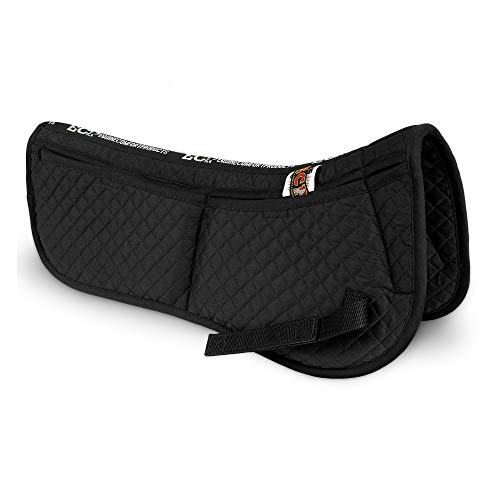
The ECP Equine Comfort half saddle pad features a customizable Correction Half Saddle Pad system with a quilted poly cotton top, four shim pockets, and twelve memory foam inserts. This design enables precise pressure relief and improved balance for horses needing saddle correction or with sensitive backs. The adjustable memory foam shim system includes contoured inserts that can be trimmed, stacked, or moved for precise saddle adjustments, supporting horses with changing shapes and enhancing rider stability across disciplines. An ergonomic wither relief and back support helps prevent saddle bridging and provides customizable comfort during recovery or training.
CHALLENGER Half Saddle Pad with Wither Relief

CHALLENGER’s English Quilted Half Saddle Pad emphasizes airflow and comfort with a lightweight cotton fleece fabric. Its diamond-quilted design adds classic style, while the material promotes ventilation to keep the horse cool and dry. This pad is designed for daily riding and makes a practical gift option for riders who value protection and comfort for their horses. The wither relief is integrated to reduce pressure under the saddle and promote a balanced ride across various routines.
Kavallerie 3D Air-Mesh Half Pad – Gel Padding
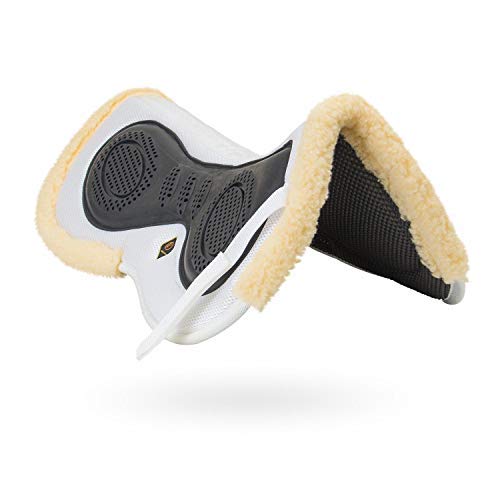
This Kavallerie half pad combines a 3D air-mesh shell with PU foam and added gel padding to regulate heat and distribute pressure evenly. The gel surface helps the pad grip the saddle while maintaining a secure tack fit, making it ideal for horses that require consistent stability during longer or more rigorous sessions. The lightweight construction reduces bulk while delivering shock absorption and improved comfort for both horse and rider.
ECP Equine Comfort Adjustable Memory Foam Half Pad – White

The white version mirrors the black model’s design: a quilted poly cotton top with four shim pockets and twelve memory foam inserts and a contoured, adjustable system. It emphasizes ergonomic fit and back support, suitable for horses requiring alignment adjustments and spinal protection during training or competition. This pad prioritizes targeted relief and rider stability across disciplines while maintaining breathability and a low-profile silhouette.
Harrison Howard Dyna-Sorb Memory Foam Half Pad
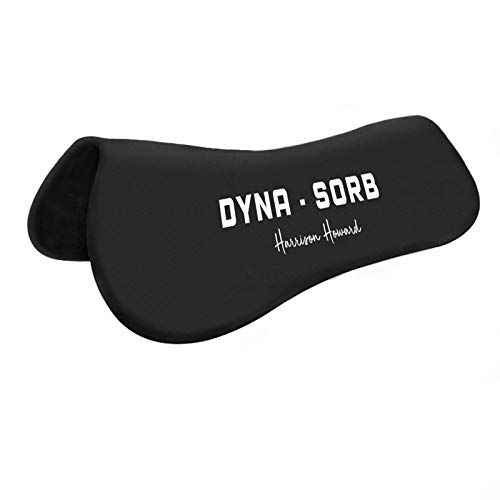
The Harrison Howard Dyna-Sorb half pad centers on a dense, non-slip outer layer and a memory foam core designed to absorb shock evenly. The gel-like memory foam retains shape under pressure to protect the horse’s withers and the saddle’s underside, helping to minimize saddle movement and maximize comfort during rides on varied terrain. It’s positioned as a versatile option for riders seeking durable protection that adapts to active riding styles.
Buying Guide: Key Purchase Considerations
- Fit and wither relief: Look for designs that offer wither clearance or a contoured shape to reduce saddle bridging and pressure on sensitive backs. Adjustable shim systems or cut-and-stack inserts can help tailor fit as your horse changes shape over time.
- Pressure relief and cushioning: Memory foam, gel padding, and 3D mesh padding distribute weight evenly, lessen peak pressure, and protect the horse’s spine during workouts and competitions. Consider a pad with multiple layers or a combination of materials for balanced support.
- Breathability and temperature control: Airflow features like 3D mesh, cotton fleece, and vented panels help keep horses cooler and drier, reducing sweat buildup under the saddle.
- Tack stability and non-slip performance: A pad that adheres well to the saddle and saddle pad, especially with gel-backed surfaces or non-slip exteriors, reduces movement and improves rider confidence in quick transitions.
- Durability and maintenance: Choose materials that withstand daily riding, are easy to clean, and resist wear from grooming products. Some pads are machine washable or require spot cleaning.
- Riding style compatibility: Dressage, jumping, and trail riding may benefit from different padding densities and shapes. Assess whether you prefer a lightweight, breeze-friendly pad or a thicker, more cushioned option for long rides.
- Allergy and skin considerations: For horses prone to irritation, opt for breathable fabrics and materials that minimize heat buildup and friction under the saddle.
- Brand reputation and warranties: Reputable brands with proven performance, plus clear return policies or warranties, can provide added assurance when investing in a crucial tack item.
Choosing the right half pad involves balancing fit, protection, and rider preference. By comparing memory foam vs. gel padding, airflow features, and adjustability, riders can select a pad that supports their horse’s comfort while maintaining saddle stability across disciplines. The options highlighted here cover a range of budgets and needs, from basic comfort to advanced corrective and protective features.