Choosing the right hatchery and brooding accessories is essential for starting chicks off on the right foot. This guide highlights reliable hatchery-related products designed to improve chick footing, reduce dust, keep feeders clean, and support reliable incubation and egg handling. Each item below is selected for practicality, safety, and ease of use in American backyard setups.
| Product | Brand | Type | Notable Benefit |
|---|---|---|---|
| Cackle Hatchery Excelsior Brooder Pads | Cackle Hatchery | Brooder Bedding | Low-dust, keeps feeders cleaner |
| Cackle Hatchery Vented Paper Pulp Egg Cartons | Cackle Hatchery | Egg Cartons | Biodegradable, holds 12 eggs |
| TOYANDONA 5 Egg Incubator | TOYANDONA | Incubator | Automatic temp/humidity, easy to monitor |
| Cackle Hatchery Brown Ceramic Nest Eggs | Cackle Hatchery | Nest Eggs | Egg pecking deterrent and decor |
This overview focuses on items that support safe hatching and brooding experiences—from specialized bedding that minimizes respiratory risks to simple, practical incubation aids. The products selected provide a balance of comfort for chicks, cleanliness for feeders and waterers, and reliable egg handling for keepers of backyard flocks.
Best Excelsior Brooder Pads For Chicks

The Excelsior Brooder Pads from Cackle Hatchery are designed as a hatchery-preferred bedding option for raised chicks. Aspen excelsior provides a softer footing compared with pine shavings, helping to reduce dust and respiratory irritants. This stackable, 9″ x 12″ pad format makes it easy to fit standard brooder setups and helps keep feeders and waterers cleaner by reducing material kicked into feeding areas. The low-dust composition supports healthier hatchery and home brooding environments, particularly during the critical early days of chick development.
Vented Paper Pulp Egg Cartons (12 Count)
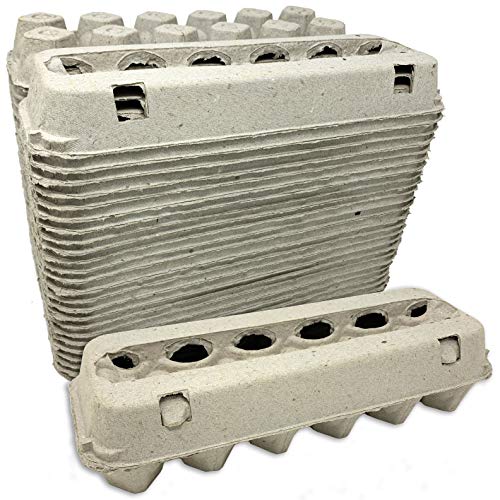
These 24-pack vented paper pulp egg cartons are designed to showcase and transport eggs while staying eco-friendly. Each carton holds a dozen eggs and is made from 100% reclaimed paper, offering recyclability, biodegradability, and compostability. They’re ideal for backyard flocks that often collect eggs daily, providing a practical, planet-friendly packaging option for farmers markets or home storage.
Automatic Incubator For Small Hatchery Needs
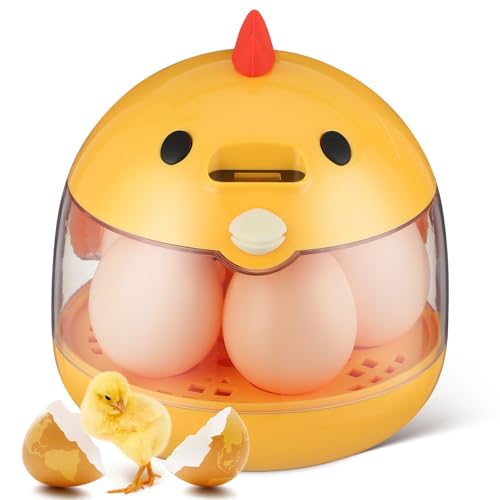
This TOYANDONA incubator is designed for home users who want a simple, reliable way to hatch a small number of eggs. It maintains the required temperature range with real-time monitoring through a clear display, reducing the potential impact of ambient temperature changes on the hatching process. The transparent observation window enables hands-on checking of status, and the compact interior holds up to five eggs—suitable for hobbyists or educational projects. It’s built for straightforward operation, even for first-time hatchers.
Brown Ceramic Nest Eggs For Training And Decor

These ceramic nest eggs aim to deter egg pecking and aid nest box training. While they function as attractive decor and keepsakes, they also serve a practical role in training hens to choose proper nesting sites. Realistic in appearance, the ceramic eggs help reduce broodiness-related issues and provide a tangible way to encourage nest box use in small or backyard flocks.
Buying Guide
Key considerations when selecting hatchery and brooding equipment for chickens include safety, dust levels, ease of cleaning, and suitability for your flock size and climate.
- Dust and respiratory health: Dust-reduced bedding, such as excelsior pads, can support better air quality in brooders and prevent respiratory irritation in chicks.
- Footing and comfort: A stable, non-slip surface helps prevent leg injuries and supports early chick mobility. Bedding choices should balance softness with durability.
- Feeder and waterer cleanliness: Materials or bedding that minimize kicked bedding can keep feeders cleaner and reduce the risk of mold or contamination.
- Incubation control: Simple incubators with automatic temperature and humidity controls are suitable for beginners, while more advanced units support larger hatch rates for experienced keepers.
- Egg handling and training: Realistic-looking nest eggs or ceramic training eggs can help guide hens to proper nesting sites and reduce pecking or broodiness issues.
- Materials and sustainability: Biodegradable or recyclable packaging for egg cartons aligns with eco-conscious hobby farming practices.
- Compatibility with flock size: Consider the number of eggs hatched per cycle and whether the incubator, brooder space, and bedding scale to your operation.
- Maintenance: Look for products that are easy to clean and sanitize between uses to maintain biosecurity in a small farm setting.
- Local climate considerations: In colder regions, incubators with reliable heat retention and brooders with adequate insulation can improve hatch success and early chick comfort.
When selecting items, evaluate how each product interacts with your existing setup. For example, low-dust bedding pairs well with clear, clean feeding areas, while an automatic incubator complements a routine hatch schedule. By combining safe brooding surfaces, eco-friendly egg handling, and reliable incubation tools, you can create a well-rounded hatchery environment that supports healthy chicks from day one.