Choosing the right hay feeder can improve feeding efficiency, reduce waste, and keep barns tidy. The following picks prioritize durability, ease of installation, and a design that fits American barns and stalls. Each option supports horses and other livestock, with wall-mounted or freestanding designs to save floor space and promote healthier feeding habits.
| Product | Brand | Capacity & Size | Mount Type | Key Benefit |
|---|---|---|---|---|
| BUYYAH 2Pcs Horse Hay Feeder | BUYYAH | 31.5 x 15.5 x 22.5 in; 24 gallon capacity | Wall-mounted | Large capacity with space-saving installation |
| Yaocom 2 Set Wall Mount Hay Feeder | Yaocom | Wall-mounted | 2-frame plus nets for slow, steady feeding | |
| Oxphanor Pasture Hay Feeder 45 Gallon | Oxphanor | Top 45 gallon forage rack, bottom 24 gallon pan | Wall or ground-friendly | Dual compartments minimize waste |
| Topyznsup Hay Rack Wall Mount | Topyznsup | 27” long; 16 gallon capacity | Wall-mounted | Easy install with durable carbon steel |
| VEVOR Livestock Feeder | VEVOR | 18.5 gallon capacity; 24.4″ long | Wall-mounted | Large capacity with sturdy steel frame |
From compact, corner-friendly designs to larger wall racks that maximize feeding space, the following selections emphasize reliability, straightforward installation, and material quality suitable for American farms in both indoor and outdoor settings.
BUYYAH 2Pcs Horse Hay Feeder

The BUYYAH hay feeders are designed for wall mounting, offering a 24-gallon capacity spread across two units. Their 31.5 x 15.5 x 22.5-inch dimensions make them suitable for barns with limited floor space. The carbon steel construction adds durability, while rust resistance supports outdoor use. Quick installation is supported by included mounting hardware, making these feeders a practical upgrade for busy facilities. The design aims to reduce hay waste and keep feeding areas cleaner, benefiting both animal health and barn hygiene.
Yaocom 2 Set Wall Mount Hay Feeder
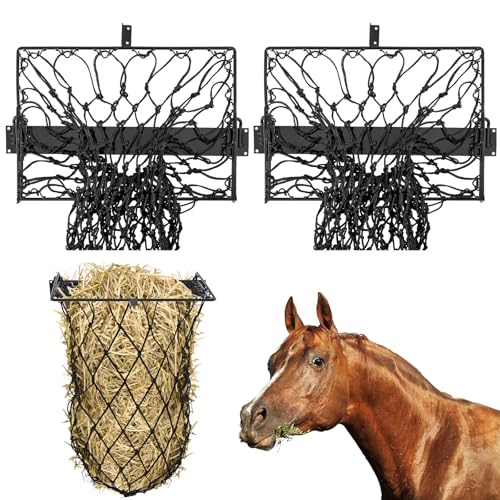
Yaocom’s twin-feeder package includes two corner frames and two hay nets, designed to slow intake and encourage steady grazing. The frames measure about 18.03 x 12.99 inches with nets around 40.16 inches, optimizing corner space and protecting feed from moisture. The system supports easy installation with included screws and uses a corner mounting approach to maximize stall or barn space while delivering reliable access to feed. The dual design helps manage feeding rates and reduces the risk of overeating.
Oxphanor Pasture Hay Feeder

Oxphanor offers a large-capacity pasture feeder featuring a 24-gallon bottom pan and a 45-gallon top rack. This dual-compartment design minimizes waste and allows livestock to graze more naturally. Built from galvanized steel with a black powder-coated finish, the feeder is designed for outdoor durability and long service life. Its roomy design makes it suitable for goats, calves, cows, and horses, particularly in pasture or paddock settings where weather exposure is common.
Topyznsup Hay Rack Wall Mount
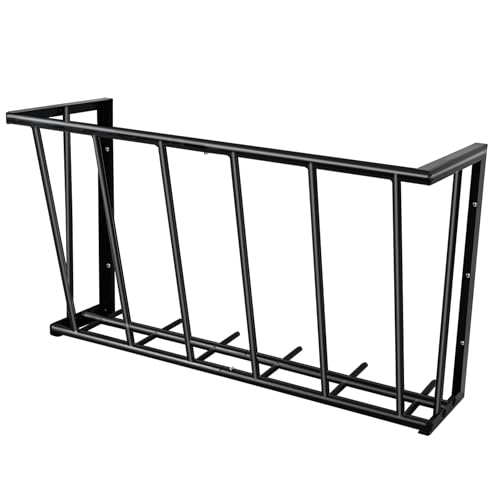
This 27-inch wall-mounted hay feeder offers a 16-gallon capacity and a quick, tool-inclusive installation. Constructed from rust-resistant carbon steel, it promises durability in barn environments and a safer feeding experience for livestock. The design emphasizes space efficiency and ease of use, making it a practical choice for stables seeking a robust, low-maintenance feeding solution.
Wall Mount Hay Rack (YXJSTO)

The YXJSTO model combines durable galvanized steel with an adjustable distance feature, enabling installation in varied sites. Its design includes a higher bottom groove to prevent feed overflow and protect against moisture exposure. This 2-in-1 approach helps contain hay while providing reliable capacity, making it a versatile option for different barn configurations and animal needs.
VEVOR Livestock Feeder

VEVOR’s 18.5-gallon feeder combines a large capacity with a sturdy cold-rolled steel frame and powder-coated finish to resist rust in outdoor environments. Its multi-sided feeding arrangement supports even hay distribution and keeps feed accessible from several angles. The rounded edges and secure construction minimize injury risk to horses and other livestock, while the durable build supports year-round use on farms with varying weather conditions.
Buying Guide
- Capacity needs: Consider daily feed volume and whether you prefer one large feeder or multiple smaller units to minimize waste and simplify refilling.
- Mounting style: Wall-mounted feeders maximize space and are ideal for smaller barns; freestanding or corner designs can be better for larger paddocks or stalls with limited wall space.
- Material and durability: Look for galvanized steel, powder coating, and rust resistance for outdoor use, plus BPA-free components to safeguard animal health.
- Feed management: Dual or multi-compartment designs help separate hay from grain or water, reducing waste and promoting structured feeding rhythms.
- Installation and maintenance: Check included hardware, warranty terms, and whether the feeder is easy to clean and inspect for wear or damage.
- Animal safety: Prioritize smooth edges, rounded corners, and non-toxic materials to minimize injuries during feeding and handling.
- Climate considerations: For outdoor use, select models with weather-resistant finishes and durable construction to withstand rain, sun, and cold.
- Cost of ownership: While initial price matters, consider long-term savings from reduced hay waste, easier feeding management, and durability across seasons.
When evaluating options, balance capacity, space constraints, and installation effort. For homes or small farms, wall-mounted feeders like BUYYAH or Yaocom can dramatically improve space efficiency. Larger operations may benefit from dual-compartment designs such as Oxphanor or Garvee-style feeders that separate hay and forage. Durable, corrosion-resistant materials and a design that minimizes waste should guide final choices, ensuring consistent access to nutrition while keeping barns orderly.