Choosing the right low-calorie dog food for seniors helps maintain lean muscle, support joint health, and promote overall wellness without sacrificing flavor. The following selections feature high-quality proteins, fiber for fullness, and added nutrients to support aging dogs. Each option is designed to help with weight management while delivering essential vitamins and minerals. Below, you’ll find a concise overview and detailed sections for five top choices.
| Product | Brand | Weight / Size | Key Benefit |
|---|---|---|---|
| Purina ONE Plus Healthy Weight High-Protein | Purina ONE | 16.5 lb bag | Real turkey first ingredient; immune support and joint health |
| Solid Gold Healthy Weight Management | Solid Gold | 4 lb | Probiotics and fiber for digestion and fullness |
| Nature’s Recipe Grain Free Small Breed | Nature’s Recipe | 4 lb | Grain free, real chicken; small-breed suitability |
| Natural Balance Original Ultra Fat Dogs | Natural Balance | 11 lb | Ultra reduced calories with targeted nutrition |
| Blue Buffalo Life Protection Healthy Weight | Blue Buffalo | 15 lb | Weight management with LifeSource Bits antioxidant blend |
Purina ONE Plus Healthy Weight High-Protein Dog Food

Purina ONE Plus Healthy Weight High-Protein Dry Formula targets senior dogs needing weight control without sacrificing muscle or vitality. Real turkey is the first ingredient, contributing to lean muscle and a healthy heart. The formula includes four antioxidant sources to support immune health and natural glucosamine sources to assist joint comfort. The crunchy kibble with tender morsels delivers a flavor and texture many dogs prefer, while added calcium helps promote strong teeth and gums. This blend emphasizes protein quality to support active seniors who still value daily activity.
Solid Gold Healthy Weight Management with Pollock

Solid Gold Healthy Weight Management uses a weight-conscious recipe designed for adult and senior dogs. Its formulation features pollock as a quality protein source and includes whole grains plus probiotics to support gut health and digestion. The high-fiber, grain-inclusive recipe helps dogs feel fuller longer, aiding weight management without compromising flavor. Probiotics support immune function and overall gut flora, aligning with senior dogs’ needs for easier digestion and steadier energy levels. This option is suitable for dogs needing careful caloric balance with palatable ingredients.
Nature’s Recipe Grain Free Small Breed Dry Dog Food

Nature’s Recipe Grain Free Small Breed Dry Dog Food combines a grain-free profile with real chicken as the top ingredient, making it a strong fit for small-to-mid-size senior dogs that benefit from easily digestible proteins. The absence of grains can be advantageous for dogs with sensitivities, while added vitamins and minerals support maintenance of adult dogs. This option emphasizes natural ingredients and is tailored for dogs needing lower carbohydrate intake without sacrificing taste and nutrition.
Natural Balance Original Ultra Fat Dogs
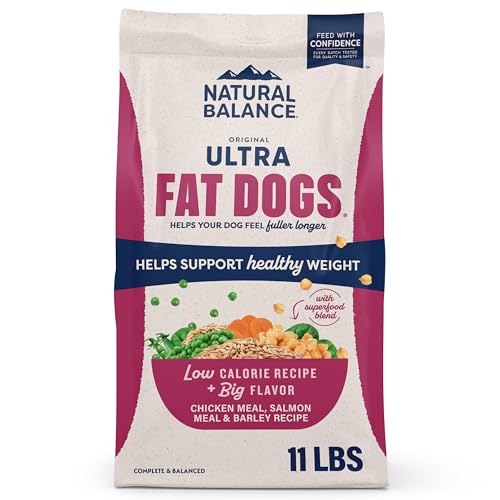
Natural Balance Original Ultra Fat Dogs delivers a targeted nutrition profile with fewer calories to aid weight management. The formula centers on high-quality protein sources like chicken meal and salmon meal, complemented by fiber from peas, oat groats, and barley to support digestion. This 11-pound bag provides a practical option for households seeking a dedicated low-calorie diet for senior dogs without sacrificing essential nutrients or flavor. It emphasizes moderation and satiety, helping dogs maintain steady weight during aging.
Blue Buffalo Life Protection Formula Healthy Weight

Blue Buffalo Life Protection Formula Healthy Weight is crafted to support aging dogs through reduced fat calories and a balanced blend of wholesome grains, garden vegetables, and fruit. The inclusion of LifeSource Bits provides a precise mix of antioxidants, vitamins, and minerals designed for immune support and healthy oxidative balance. Real chicken as the first ingredient helps preserve muscle mass while weight-management ingredients promote fullness, enabling seniors to stay active and satisfied with every meal.
Buying Guide: Key Purchase Considerations For Senior, Low-Calorie Diets
Choosing the best low-calorie dog food for a senior involves balancing protein quality, calorie control, and digestive comfort. Consider these dimensions:
- Protein quality and source: Prioritize real meat as the first ingredient and avoid excessive by-products. Higher protein can help maintain lean muscle in aging bodies.
- Calorie density and portion control: Look for formulas explicitly labeled for weight management or low-calorie content to ensure energy intake aligns with activity levels.
- Fiber and gut health: A robust fiber blend, including prebiotics or probiotics, supports fullness and digestion, reducing overeating and gastrointestinal issues common in older dogs.
- Joint support: Ingredients like glucosamine, chondroitin, or fish oils contribute to mobility and comfort during aging.
- Digestibility and grain considerations: Grain-free or whole-grain options suit different dogs. If digestion is sensitive, grain-free or alternative carbohydrate sources may help.
- Palatability: Texture (kibble, morsels, or shredded pieces) and flavor influence long-term adherence to a weight-management plan.
- Life stage and breed size alignment: Small breeds, large breeds, and mixed ages have distinct nutritional needs. Choose formulas formulated for senior or weight management within the dog’s size category.
- Brand integrity and recalls: Opt for well-known brands with transparent ingredient sourcing and safety records to minimize risk.
- Veterinary guidance: Consult a veterinarian before changing diets, especially for dogs with chronic conditions, arthritis, or renal concerns.
In evaluating these options, consider your dog’s current weight, activity level, and any dietary sensitivities. A gradual transition plan—mixing the new food with the current diet over 7 to 10 days—helps prevent digestive upset and sustains acceptance. Regular weigh-ins and monitoring for changes in energy, coat condition, and stool quality provide practical feedback for adjusting portions and choosing the next stage of the diet.