Introduction to Phosphate Control In Freshwater Setups
Managing phosphate levels is essential for healthy freshwater aquariums. Excess phosphates can fuel unwanted algae growth, cloud water, and stress for fish and plants. A reliable phosphate remover helps maintain balanced water chemistry, supports plant health, and reduces maintenance. This article highlights five leading phosphate-removal products, explaining how each works, their ideal use cases, and how to choose based on your tank size, stocking, and filtration method.
| Product | Brand | Key Benefit |
|---|---|---|
| Fluval ClearMax Phosphate Remover | Fluval | Removes phosphate, nitrite, nitrate; compatible with Fluval filters |
| Phosphat-E Liquid Phosphate Remover | Brightwell Aquatics | Potent, quick phosphate reduction for reef and marine-fish aquariums |
| PhosBond Phosphate Silicate Remover | Seachem | Rapid phosphate and silicate removal for marine and freshwater use |
| Phos Correx Advanced Phosphate Remover | Continuum Aquatics | Reduces phosphate levels and improves water clarity |
| Phos-Out 4 Phosphate Remover | ARKA / MICROBE-LIFT | Removes phosphate and related compounds safely from freshwater or marine tanks |
Fluval ClearMax Phosphate Remover
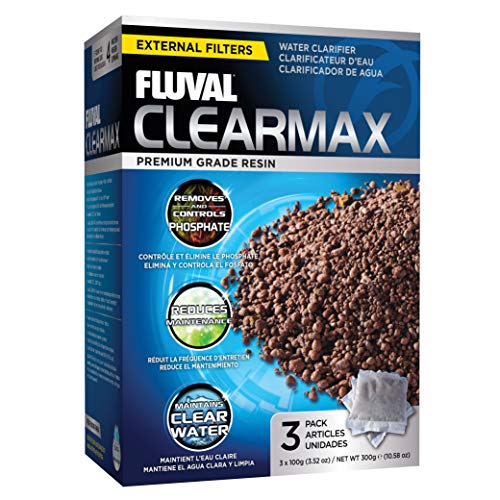
Fluval ClearMax is a premium-grade resin chemical media designed to absorb phosphate, nitrite, and nitrate. It comes in 100-gram nylon bag packs, suited for canister filters in Fluval systems. The media supports water clarification and helps reduce odors, contributing to crystal-clear water. It’s especially useful for tanks where high filtration demand or heavy feeding can elevate nutrient levels. To maximize performance, pair with regular filter maintenance and monitor phosphate with a test kit.
Phosphat-E Liquid Phosphate Remover
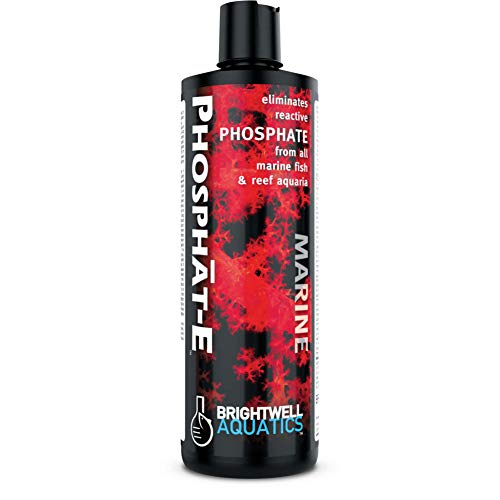
Phosphat-E by Brightwell Aquatics offers enhanced phosphate elimination suitable for heavily stocked marine and reef aquariums. It provides a quick, precise reduction of elevated phosphate while remaining safe for inhabitants. The product is designed for ongoing use to manage phosphate levels and improve overall water quality. Users should be aware that after treatment, water may appear slightly cloudy as the chemistry stabilizes, which is a normal temporary effect and does not indicate ineffectiveness.
PhosBond Phosphate Silicate Remover

Seachem PhosBond Phosphate Silicate Remover rapidly targets phosphate and silicate, making it versatile for both marine and freshwater use. This media helps lower nutrient levels that drive algae growth, supporting clearer water and healthier plant and coral life. It’s suitable for use in various filtration setups and can be a core component of a long-term water-management strategy, especially in tanks prone to nutrient spikes.
Phos Correx – Advanced Phosphate Remover

Continuum Aquatics Phos Correx is designed to rapidly bind excess phosphate, helping maintain cleaner water and stable conditions. This media can enhance water clarity by reducing phosphate buildup, supporting a balanced ecosystem for fish, corals, and aquatic plants. It’s particularly effective in reef and marine tanks but can also benefit advanced freshwater setups that struggle with nutrient control.
Phos-Out 4 Phosphate Remover

Phos-Out 4 Phosphate Remover from MICROBE-LIFT (ARKA) quickly and effectively removes phosphate, silicate, sulfide, and yellow substances from aquarium water. It supports optimal water quality by addressing multiple nutrient-related issues, making it a solid choice for hobbyists seeking a broad-spectrum approach to phosphate management. It is suitable for both freshwater and marine environments, depending on tank needs and dosing guidelines.
Buying Guide: Key Purchase Considerations
When selecting a phosphate remover, consider tank size, water type (freshwater vs. marine), filtration method, and stocking density. Some media are designed for specific filter brands, while others are universal. IMPORTANT factors include: contact time with water, regeneration or replacement frequency, potential effects on pH and hardness, and any cloudiness during initial use. For reef tanks, prioritize products with minimal unintended side effects on corals and beneficial bacteria. Always follow dosing instructions and test phosphate levels regularly to gauge effectiveness.
Product Type And Application
Chemical resin and polymer media offer rapid phosphate binding, while liquid removers provide direct dosing for quick adjustments. Filtration media are convenient when integrated into existing canister or sump systems, reducing maintenance steps. For beginners, consider a media that aligns with your current filtration setup to minimize changes to routine.
Tank Specific Needs
Freshwater tanks with heavy bioloads may need stronger, more frequent treatments, while planted tanks benefit from stable nutrient management without stressing plants. Marine and reef aquariums demand careful handling to avoid impacting sensitive invertebrates and corals. In all cases, use a compatible remover with your tank’s other water treatments and test kits.
Maintenance And Monitoring
Regular phosphate testing (0–1 ppm in planted tanks, often higher in heavily stocked systems) helps determine when to replace media or adjust dosing. Cloudiness at first use is common but should clear as the system stabilizes. Keep replacement media on hand and track long-term trends to decide whether to supplement with additional filtration or partial water changes.
Cost And Availability
Evaluate cost per treatment and the ease of sourcing replacement media. Some media are sold in larger packs that reduce per-use cost, but require longer storage. Consider long-term maintenance needs and whether the product offers added benefits like nitrite or nitrate reduction alongside phosphate control.