Dogs with sensitive stomachs require probiotic formulas that support balanced digestion, reduce occasional diarrhea, and foster a healthy gut microbiome. Below is a curated guide to five well-regarded canine probiotics that target digestive comfort, gas, stool quality, and overall gut health. Each product is paired with a quick reference and practical considerations to help owners choose the best option for their pet.
| Product | Brand | Key Benefit |
|---|---|---|
| Purina FortiFlora Canine Probiotics | Purina Pro Plan Veterinary Diets | Supports digestive gut health and diarrhea management |
| Zesty Paws Probiotics for Dogs | Zesty Paws | Multi-strain probiotic with DE111 for immune support |
| PENPEN Probiotics for Dogs | PENPEN | 6-in-1 benefits with probiotics, prebiotics, enzymes, and pumpkin |
| BuddyCheer Probiotics for Dogs | BuddyCheer | Multi-strain probiotic with prebiotics for digestion and gut flora |
| NaturVet Advanced Probiotics & Enzymes | NaturVet | Enzyme-inclusive formula for sensitive stomachs |
The following sections present five highlighted options. Each product section includes a concise overview, key features drawn from the listed product data, and practical considerations for selecting a probiotic that fits a dog’s needs and lifestyle.
Purina FortiFlora Probiotics for Dogs
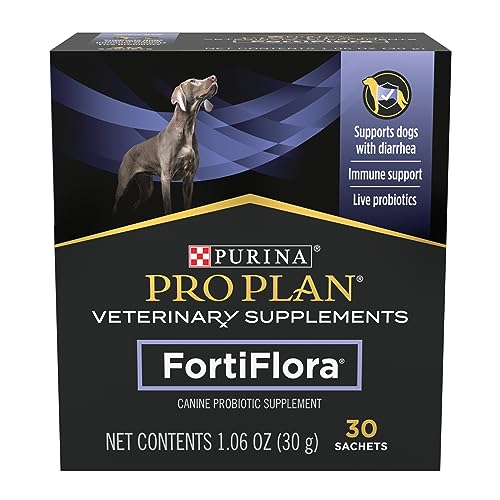
Purina FortiFlora is a veterinarian-recommended probiotic designed to support intestinal health and balance, particularly in dogs dealing with diarrhea. The formula is widely recognized for its focus on digestive gut health, with a probiotic strain proven to promote normal stool quality and digestive comfort. It is positioned as a dietary management aid for both puppies and adult dogs with digestive upset, making it a straightforward option for sensitive stomachs. The product’s status as a leading veterinarian-recommended probiotic adds credibility for pet guardians seeking a trusted brand.
Zesty Paws Probiotics for Dogs

This product emphasizes digestive and immune support with a clinically studied DE111 Bacillus subtilis strain. The formulation combines pumpkin and papaya enzymes alongside a six-strain probiotic blend to support gut flora, digestion, bowel health, and immune function. As a soft chew, it is convenient for dogs that prefer treat-like supplements and may appeal to picky eaters. The DE111 component is a notable feature for guardians seeking a clinically studied probiotic in a chewable format designed for daily use.
PENPEN Probiotics for Dogs – Beef Chews

PENPEN offers a 6-in-1 approach with probiotics, prebiotics, enzymes, and natural ingredients like pumpkin and papaya. The beef-flavored chews are designed for daily use, emphasizing enhanced digestion, immune support, nutrient absorption, skin and coat health, reduced gas, and relief from sensitive stomach issues. The product highlights a stable, high-potency formula aimed at consistent gut support, with gentle care through natural ingredients and a non-overbearing flavor profile. This makes it suitable for dogs that benefit from a mixed approach to gut health.
BuddyCheer Probiotics for Dogs

BuddyCheer’s digestive formula emphasizes a multi-strain probiotic with prebiotics and enzymes to support gut flora balance, digestion, and stool quality. The product is designed for sensitive stomachs and is presented as a powder or powder-like supplement that can be mixed with food, offering flexible administration for dogs that dislike chews. The inclusion of prebiotics helps nourish beneficial bacteria, potentially contributing to longer-term gut health and more regular digestion.
NaturVet Advanced Probiotics & Enzymes

NaturVet combines probiotics with digestive enzymes in a soft-chew format designed for dogs with sensitive stomachs. The blend includes Bacillus subtilis and Bacillus coagulans alongside enzymes such as alpha-Amylase, Lipase, Cellulase, and Protease. This combination aims to support stomach and intestinal balance while aiding digestion of proteins, fats, carbohydrates, and fiber. Veterinarian-backed formulations and a flavor that appeals to dogs contribute to practicality for daily use and ongoing gut support.
Buying Guide: Key Considerations For Choosing A Dog Probiotic
When selecting a probiotic for a dog with a sensitive stomach, consider the following factors to ensure the product aligns with your dog’s needs and lifestyle:
- Probiotic strains and CFU count: Look for products listing multiple strains (diversity can support broader gut flora) and a practical colony-forming unit (CFU) range. Some dogs respond better to specific strains; others benefit from multi-strain blends. Consult a veterinarian if your dog has a chronic condition.
- Enzymes and prebiotics: Enzymes can aid digestion of proteins, fats, and carbohydrates, while prebiotics nourish beneficial bacteria. A combined probiotic-enzymes-prebiotics approach may offer more comprehensive support for sensitive stomachs.
- Administration form: Chews, powders, and capsules each have pros and cons. Soft chews are convenient for many dogs, while powders offer easy mixing with meals. Consider your dog’s tolerance and feeding routine when selecting a form.
- Flavor and palatability: For dogs with sensitive or picky appetites, flavor and texture can influence compliance. Flavors like beef and pumpkin- or papaya-based blends tend to be well accepted.
- Veterinary guidance: If your dog has a diagnosed GI issue, a veterinarian may recommend a specific probiotic or dosage. Always follow dosing instructions and monitor for changes in stool, appetite, or energy.
- Quality and safety: Choose products from reputable brands with transparent labeling, clear expiration dates, and third-party testing where available. Avoid questionable additives or artificial fillers for sensitive dogs.
- Timeline and expectations: Probiotics may require several days to weeks to show noticeable changes in digestion and stool consistency. Track responses in a simple journal to evaluate effectiveness over time.
- Comorbid conditions and medications: If the dog is on antibiotics or other medications, discuss timing with a veterinarian, as some probiotics are best given at a separate time from antibiotics.
Selecting the right probiotic involves balancing strain specificity, delivery format, and practical administration with the dog’s unique digestive profile. The five products highlighted above offer a range of approaches—from veterinarian-endorsed formulations to multi-strain blends and enzyme-inclusive options—supporting dogs with sensitive stomachs in maintaining more comfortable, regular digestion.