Planning a trip doesn’t mean your fish must suffer. Modern vacation feeders provide automatic, portion-controlled meals so tropical fish stay nourished while you’re away. This guide covers reliable options, how they work, and what to consider before buying.
Summary of chosen products:
- Aqueon 7 Day Vacation Feeder Slow-Release Fish Food for Tropical Fish – 1 Pack
- Tetra Weekend and Vacation Feeder Slow-Release Fish Food for Tropical Fish 1.06 Ounce
- Aqueon Vacation Feeders 3 Day – 4 Pack
- Tetra Weekend and Vacation Feeder Slow-Release Fish Food for Tropical Fish (style: 5 days)
- Petbank Automatic Fish Feeder for Aquarium
Aqueon 7 Day Vacation Feeder Review
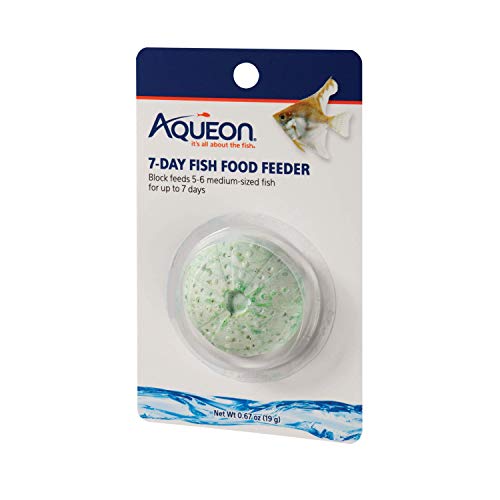
The Aqueon 7 Day Vacation Feeder is designed for tropical fish and aims to reduce both feeding frequency and waste. Its slow-release mechanism encourages fish to graze gradually, aligning with typical care guidelines for community tanks. The feeder emphasizes nutritious ingredients that can attract fish and promote color development, while optimizing feed efficiency to minimize waste and water quality fluctuations. This option suits longer trips where consistent, modest feeding is preferred without a daily intervention.
Key considerations: compatibility with standard aquariums, ease of use, and the balance between safety (water quality) and nutrition. For households with variable fish activity, the ability to regulate portions is valuable. Potential drawbacks include occasional jamming with certain flakes or pellets if food size isn’t matched to the block’s release rate.
Tetra Weekend and Vacation Feeder 14 Day Review

The Tetra Weekend and Vacation Feeder uses a slow-release gel block intended to nourish tropical fish for up to 14 days. The design focuses on passive feeding, releasing food only when fish nibble, which helps maintain water quality by avoiding continuous feed dispersion. The ProCare formula is advertised to support immune health and long life, making it a practical choice for households with multiple fish types. This option is beneficial for longer trips or busy schedules where daily feeding isn’t possible.
Key considerations: extended duration between checks, block stability in water, and ensuring compatibility with your fish’s dietary needs. Some tanks may experience minor residue as gel blocks dissolve; ensure your filtration can handle any minor byproducts without impacting water clarity.
Aqueon 3 Day Vacation Feeders – 4 Pack Review

This 4-pack provides a compact, short-term feeding solution ideal for weekend trips and brief absences. The Aqueon feeders share a common emphasis on foods that attract fish and reduce waste through efficient consumption. For small to medium tanks, these blocks or disks can be a reliable backup to daily feedings, maintaining color and vitality while supporting a stable aquarium environment. They are particularly useful for hobbyists who travel in predictable short bursts.
Key considerations: pack quantity, compatibility with fish sizes, and whether the shorter duration fits your schedule. While convenient, it’s wise to test the feeder before extended trips to ensure dependable release and consistent meals for all tank inhabitants.
Tetra Weekend and Vacation Feeder 5 Day Review

This Tetra model provides a 5-day supply with a 100% edible fish block. It supports grazing as an alternative to plaster feeders that dissolve too quickly, helping to maintain better water quality by avoiding unnecessary dissolution. The block contains whole daphnia and other essential nutrients intended to sustain healthy fish through a standard workweek or short trips. It is especially suitable for tanks with moderate stocking or for aquariums that require dependable, non-dissolving feeding blocks.
Key considerations: duration accuracy, water impact, and whether your fish species benefit from grazing-style feeding. Check tank mates and filter capacity to ensure no minor debris or block residues accumulate between feedings.
Petbank Automatic Feeder Review

Petbank’s automatic feeder aims to deliver precise meals using a 16-grid capacity, enabling up to 15 individual feedings. The device emphasizes moisture resistance with a fully sealed design, reducing the risk of jammed or damp food. It offers two installation methods (adjustable clamp base or suction cup) to fit various tank configurations. It supports multiple food forms, including pellets and powders, but may not be suitable for shrimp or flakes. Its LCD display and timer features add a level of control for consistent scheduling during vacations.
Key considerations: feeding precision, moisture protection, and compatibility with your preferred fish foods. Consider tank size, number of fish, and feeding frequency to determine if this model’s 2-gram per-grid portioning meets your needs. Battery or power considerations should also be reviewed for reliability during extended trips.
Buying Guide for Vacation Fish Feeders
Choosing the right vacation feeder depends on tank size, fish species, feeding requirements, and your travel schedule. Here are key factors to evaluate from multiple perspectives:
- Duration and schedule: If you’re away for a weekend, short-duration feeders (2–4 days) may suffice. For longer trips, choose gel blocks or 7–14 day blocks that deliver controlled meals without compromising water quality.
- Food type compatibility: Pellets, flakes, and gel blocks have different release mechanisms. Match the feeder to your existing fish food to prevent clogging or underfeeding.
- Water quality impact: Some blocks dissolve slowly but still introduce nutrients or minerals. Ensure your filtration system can handle any byproducts and monitor ammonia and nitrite levels after use.
- Portion control and consistency: Precise portions help avoid overfeeding, which can cause waste accumulation and algae blooms. Look for feeders with adjustable portions or measured grids.
- Tank setup compatibility: Consider tank size, lid design, and mounting options (clamp vs. suction) to ensure secure operation without interfering with filtration or feeding areas.
- Reliability and redundancy: For critical trips, have a backup plan (manual feeding by a trusted friend or a secondary feeder) in case of device failure.
- Maintenance and cleanliness: Choose units with moisture resistance and easy cleaning. Inspect seals and enclosures to prevent mold or jammed feed.
- Cost vs. benefit: While premium options offer longer durations and more features, assess whether your travel patterns justify the investment and potential replacement parts.
In summary, evaluate duration needs, food compatibility, and tank dynamics. By aligning features with your aquarium’s biology and your travel routine, you can maintain stable water quality and healthy fish while away from home.